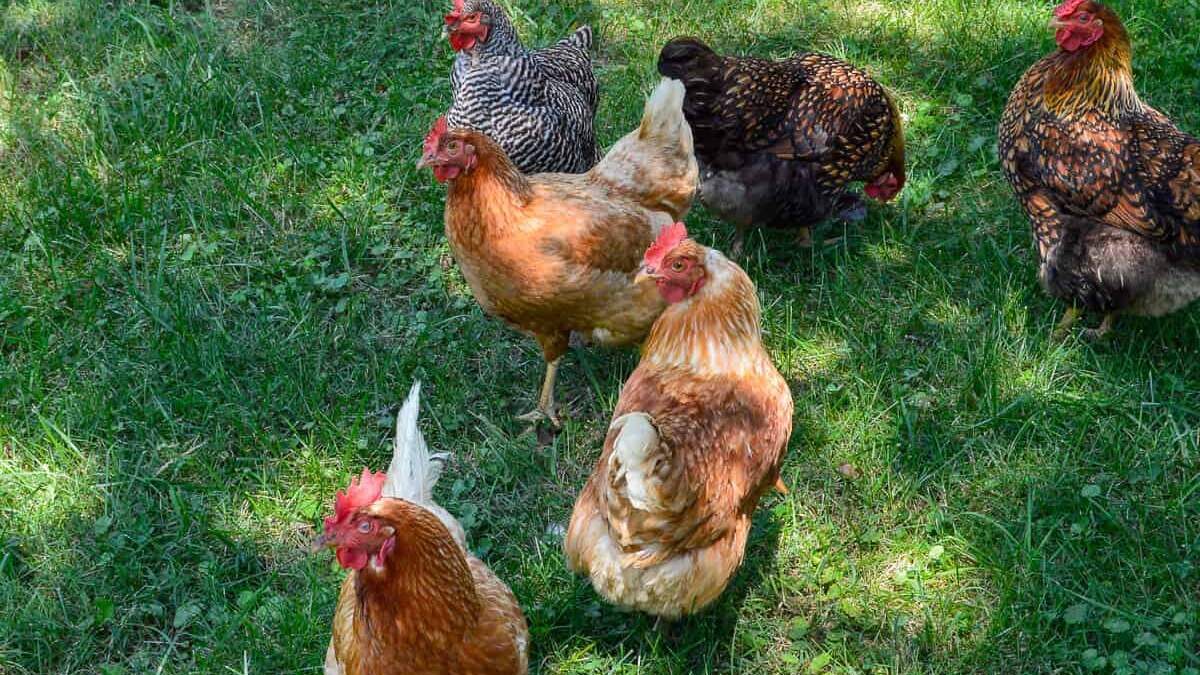

When we started our backyard flock adventure many years ago, we walked into it fairly blind. We didn’t realize there were so many different breeds of chickens to choose from! We started doing research and came up with a list of things that were important to us regarding the breed of chicken we would choose. Our goal was to find the best chicken breeds for our own backyard chickens. We were starting out our couple acre homestead and this would be our first real homesteading project to kick that off.
The Start of Our Backyard Chicken Flock
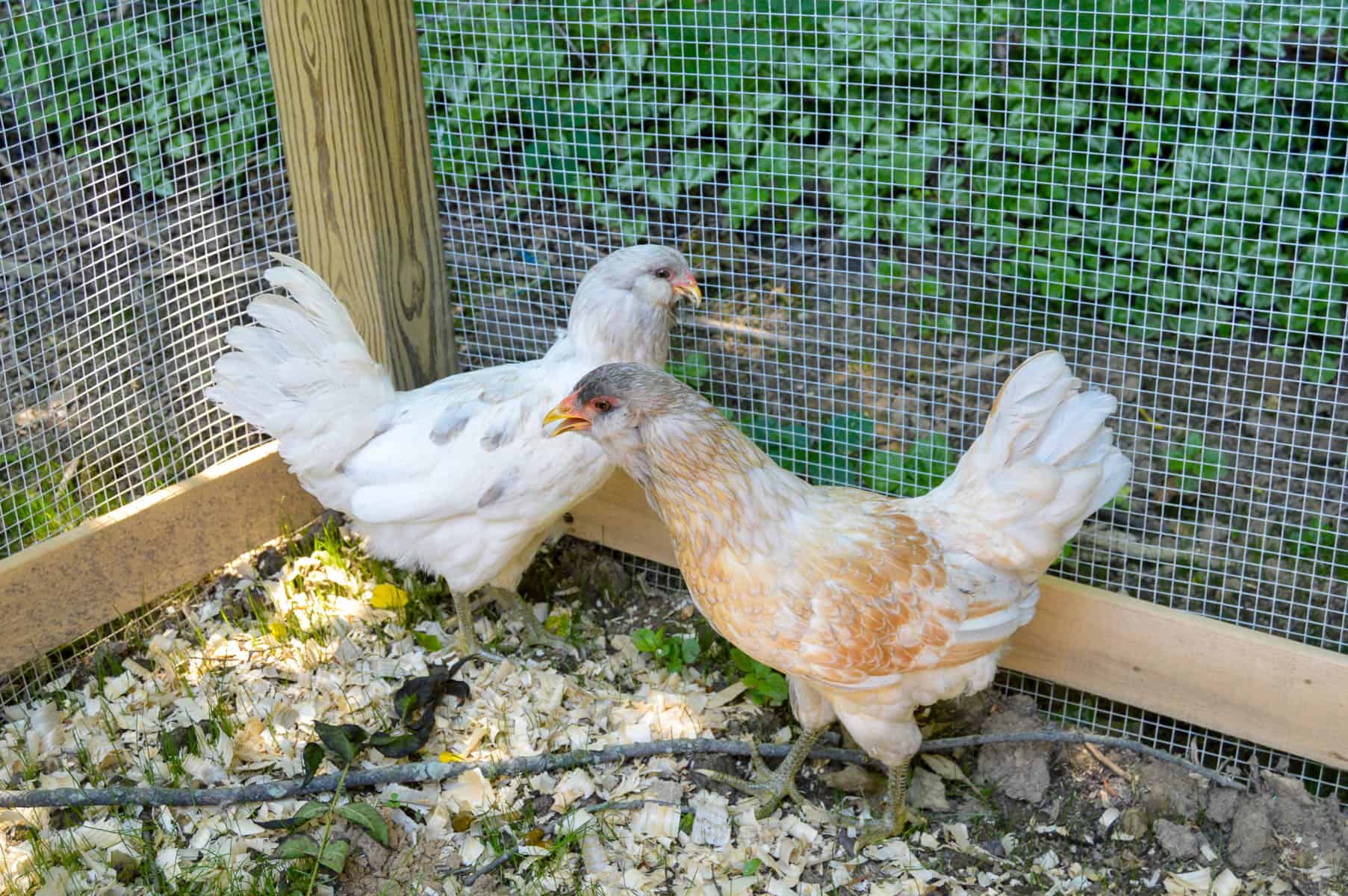
Our first question was, do we want all the same breed of chicken or do we want to have a mixed backyard flock with several different breeds? That question was answered for us when we were given our first two chickens by someone who had outgrown the size of their backyard flock allowed by their neighborhood HOA. We had our chicken coop nearly ready at this point and just kind of jumped into it head first and brought the girls home to start our backyard chicken adventure. They were both Easter Eggers, which is sort of a mutt in the chicken world, I’ll talk a little more about them a little later. These two chickens (Snowball and Brownie) are the “OC’s” of our flock. Snowball is still with us, however Brownie passed on this summer. These are the only two chickens we have that have names.
Quick Comparison: Best Cold-Hardy Egg Laying Breeds
If you are planning your spring chick order or expanding your winter flock, here is a quick-reference breakdown of how the top cold-tolerant breeds compare in egg production, egg size, and typical flock temperament.
| Breed | Annual Egg Count | Egg Color & Size | Comb Type (Frostbite Risk) | Temperament |
|---|---|---|---|---|
| Australorp | 250 – 300 eggs | Large, Light Brown | Medium Single (Moderate) | Sweet, calm, quiet |
| Plymouth Rock | 200 – 280 eggs | Large, Rich Brown | Medium Single (Moderate) | Docile, curious, hardy |
| Wyandotte | 200 – 240 eggs | Large, Cream/Brown | Rose Comb (Extremely Low) | Independent, assertive |
| Buff Orpington | 200 – 250 eggs | Large, Medium Brown | Medium Single (Moderate) | Very sweet, lap-chicken |
| Brahma | 150 – 200 eggs | Medium/Large, Brown | Pea Comb (Extremely Low) | Gentle giant, mellow |
Do Your Research Before You Start!
Whether you are looking for the best chicken breeds for your backyard chickens or your small farm, definitely do your research and pick the best chickens for your situation. There are so many types of chickens out there, you are sure to find your perfect matches!
Now we had to come up with some criteria that we would choose the rest of our chicken types with.
Here is our Chicken Search Criteria
Cold Climates
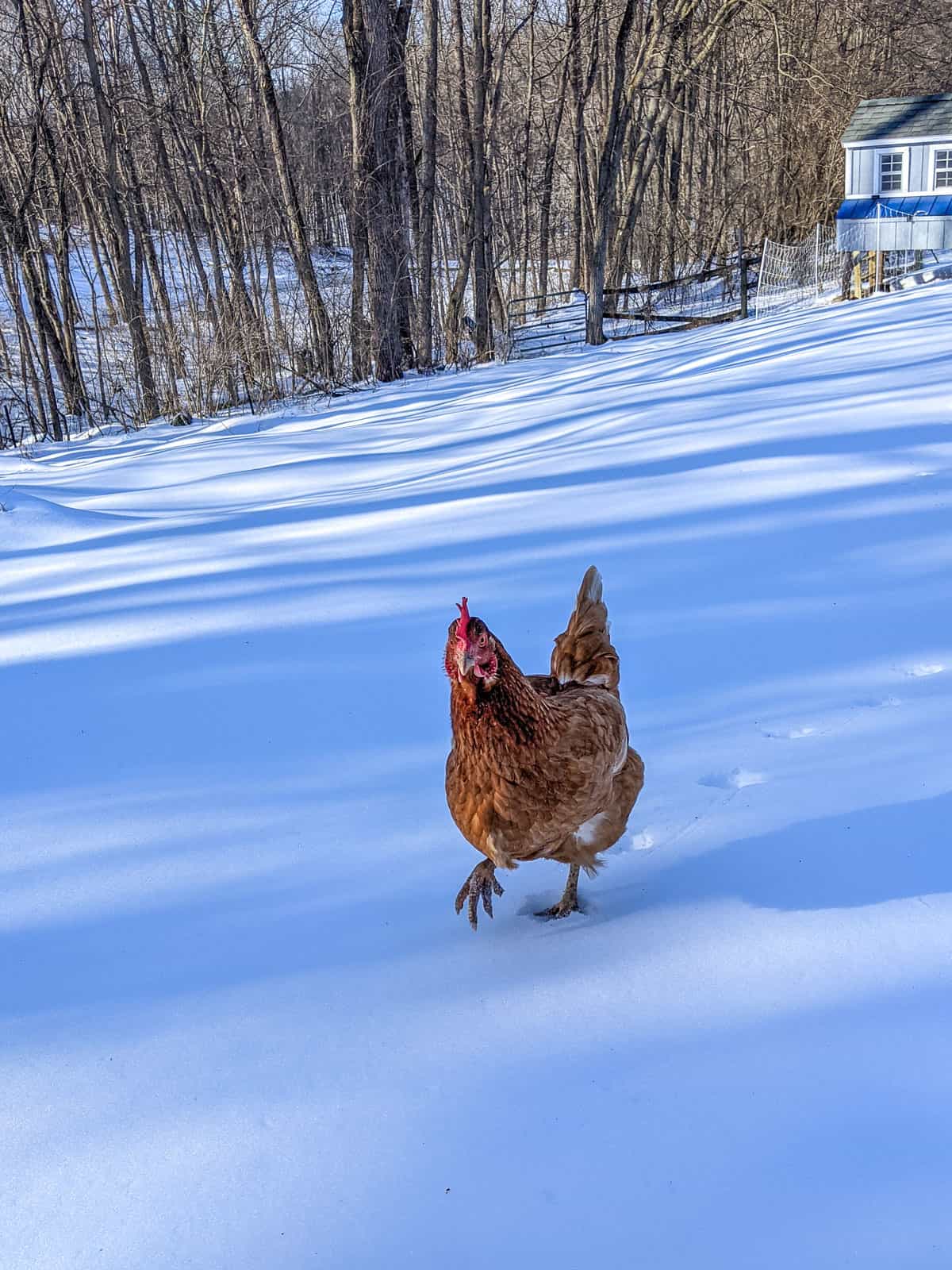
We live in Northern Kentucky where we get some fairly cold winters, we want to make sure our chickens can survive the cold weather. This is the only criteria that was non-negotiable since we get our share of cold weather here.
Heritage Breed or Hybrid Breeds
We were a little on the fence on this one and ended up going with a little of both. We definitely went heavier on the hybrid chicken breeds though. The heritage breed chickens usually have a little lower egg production than the hybrid chickens, however the hybrid breeds have typically been adapted over the years to withstand certain conditions better, such as cold climates. Just a quick note, Hybrid breeds has nothing to do with any sort of gene modification, or anything like that. It is selectively breeding different chicken types together to get traits from both kinds.
Number of Eggs Produced
Since our goal is to have a plentiful supply of farm fresh eggs, we definitely took the average number of eggs each chicken breed produced into account. This definitely wasn’t our highest priority, but we took it into account.
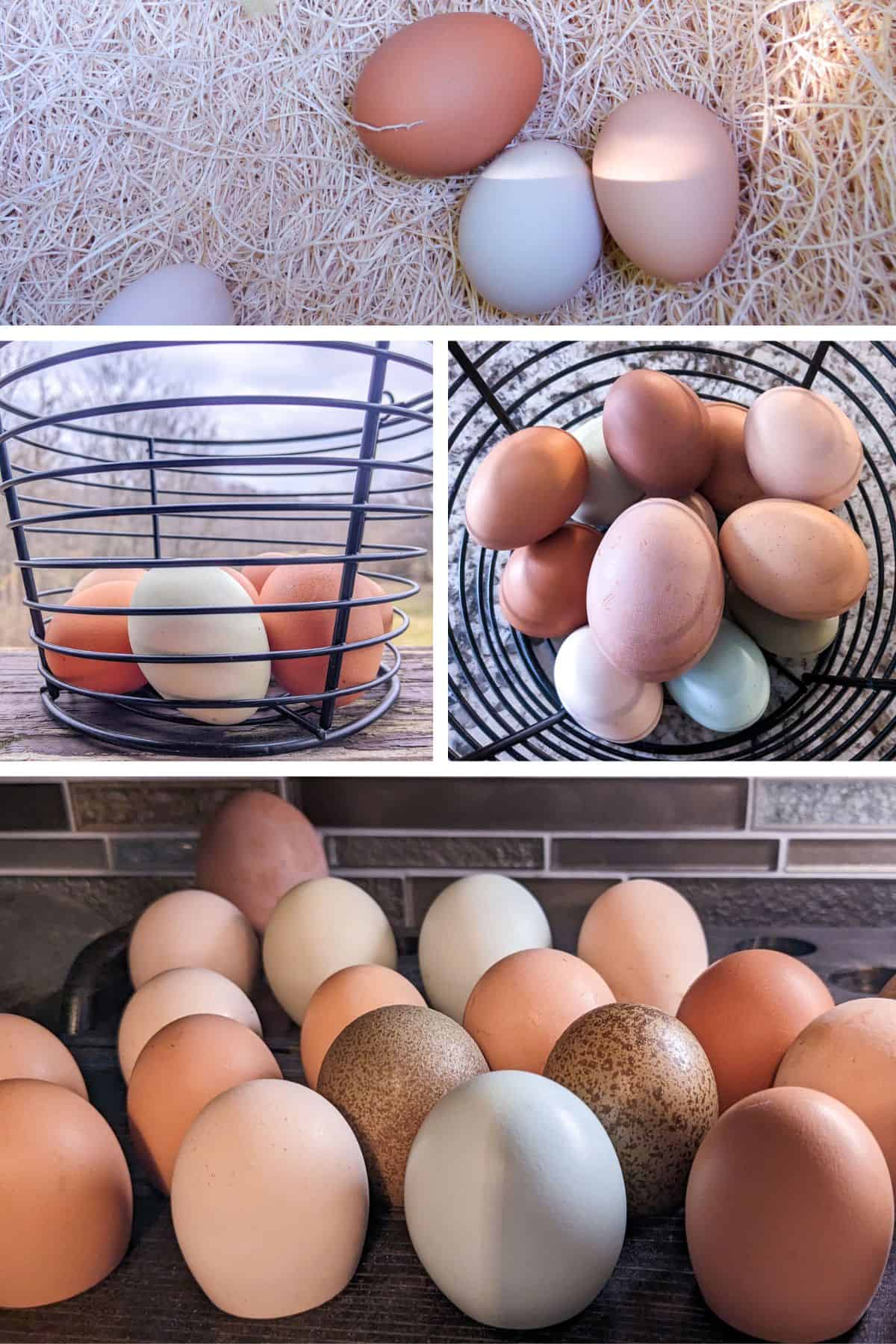
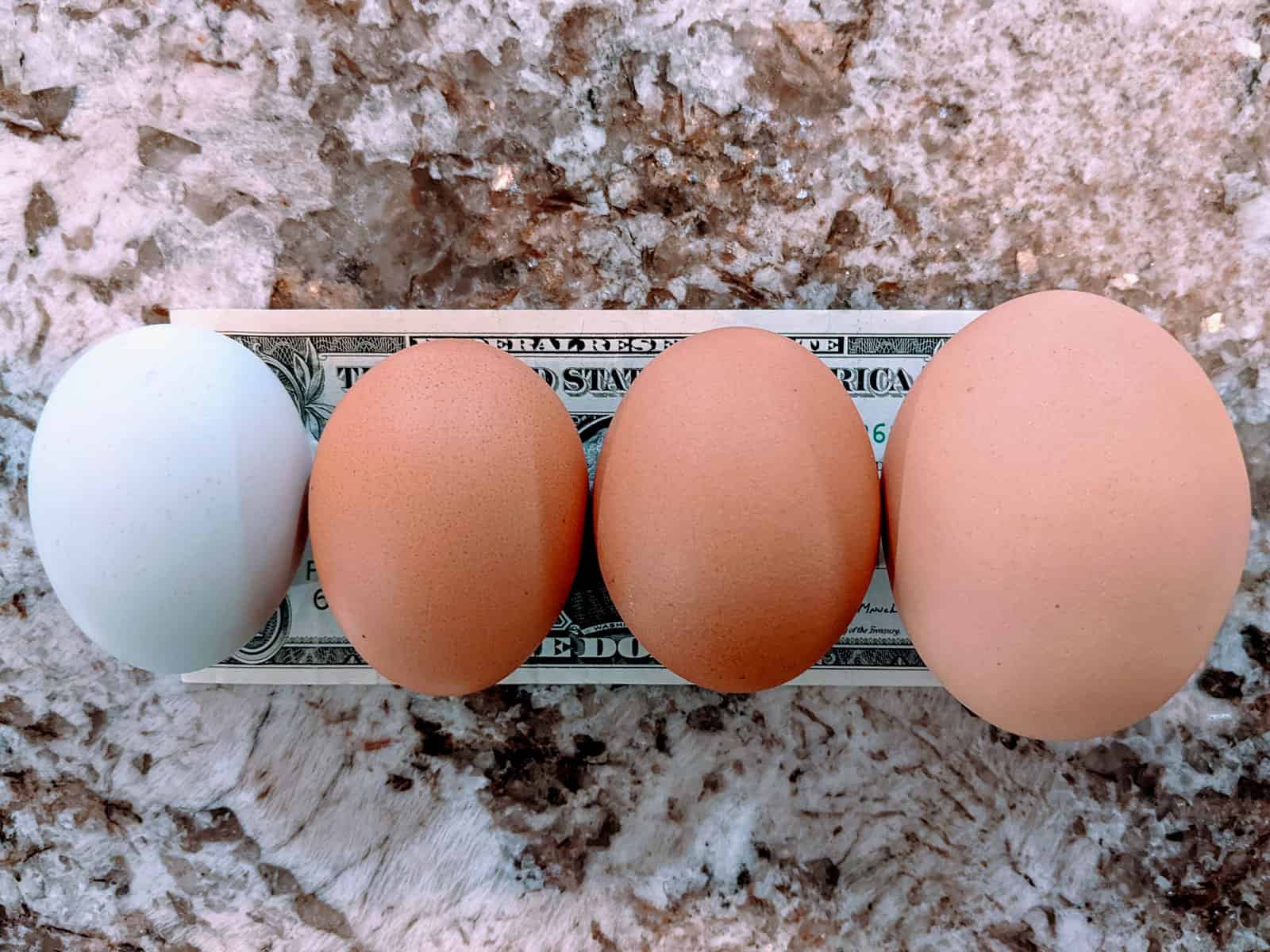
Egg Size and Egg Color
We definitely didn’t want to pass up the opportunity for different colored eggs. Our end result was a mix of chicken breeds to keep our eggs interesting. We wanted mostly brown eggs but also wanted to throw in some blue eggs to mix things up a little. Also keep in mind that during the winter months in cold climates, your egg production will typically slow down drastically.
Do They Have a Tendency To Be Broody?
We definitely wanted to try and get non-broody hens. The last thing we wanted to deal with is a broody hen that won’t get off the eggs (we were mostly successful here…)
Time To Pick Our Chickens!
Once we had our criteria all laid out, we went on the search for the best egg-laying chickens for our needs. We are lucky enough to have a great hatchery not too far away, so that’s where we started the search. We quickly came up with a giant list of chicken breeds that far exceeded our chicken coop capacity, we wanted them all! This was going to be harder than we thought!
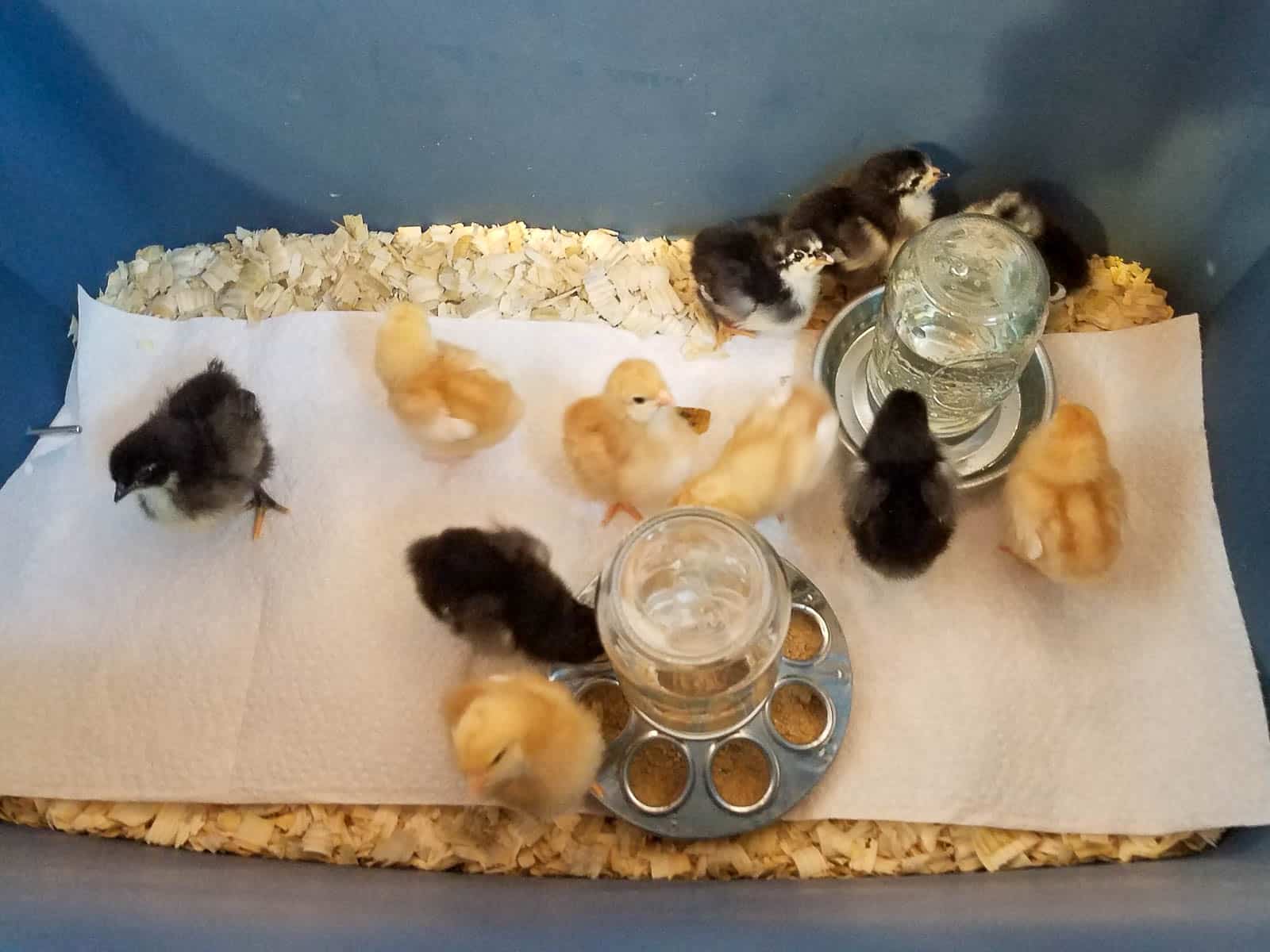
Before I go on, I just want to say that these are the actual chickens that we have chosen and have or have had in our backyard flock. There are many different breeds out there that may work better for you and maybe even for us but this is all based off the real world experience we have had with these breeds up till now. I would love to hear what makes up your backyard flock in the comments below, we are always up for trying out new chicken breeds as long as they are inline with our criteria.
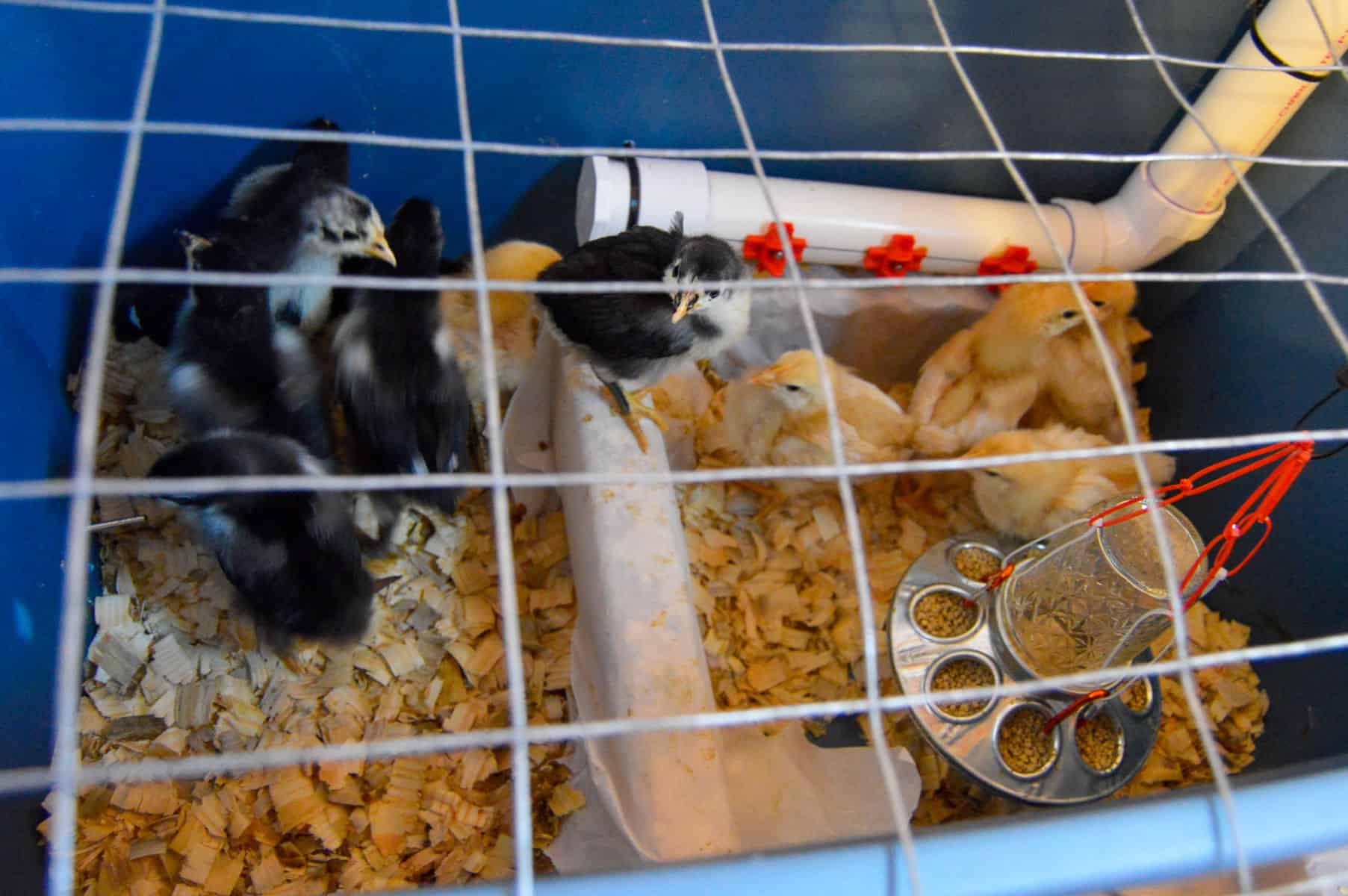
Our First Backyard Chickens
Here is the breakdown of our first backyard flock selections with a little info about each and why we selected them. We started off with 14 chickens including the two that we “adopted”. Our chicken coop was an old shed that came with our property when we bought it, it was quite large and honestly overkill for the amount of chickens that we had. After some issues with our old coop, we eventually built a new DIY chicken coop that better suited our needs. Check out our DIY chicken coop build here to see where our chickens live now.
We free range our chickens in a large fenced in area but also built them a good sized chicken run to give them some added security from predators. All the chickens we got have been great foragers, drastically reducing our bug population and supplementing their diets naturally. Our fence extends into the woods, giving them plenty of shade and lots and lots of bugs for them to eat. Our goal is to have happy healthy free-range chickens that will give us lots of nutritious eggs!
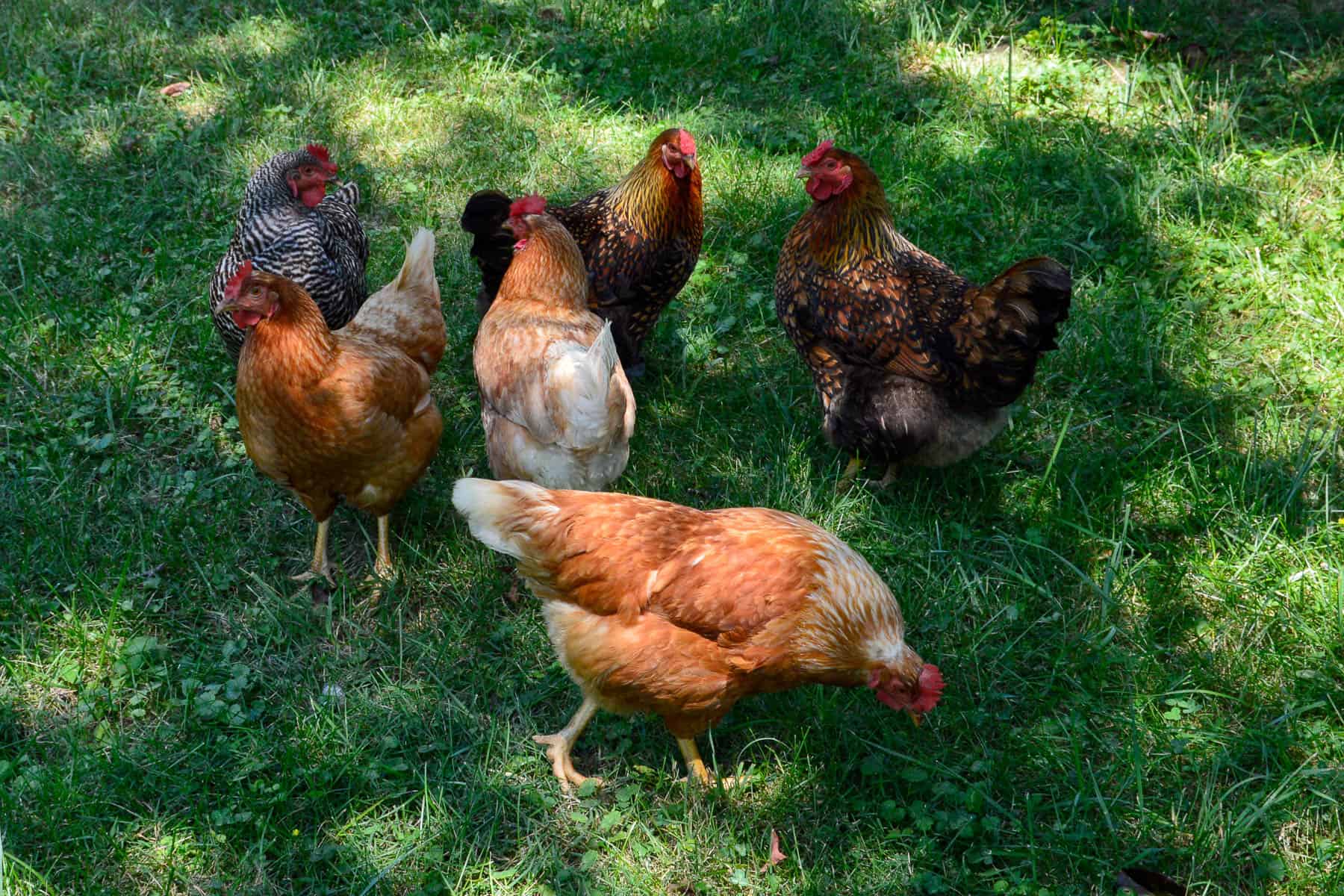
Why Golden Comets Are Our Top Choice for Winter Egg Production
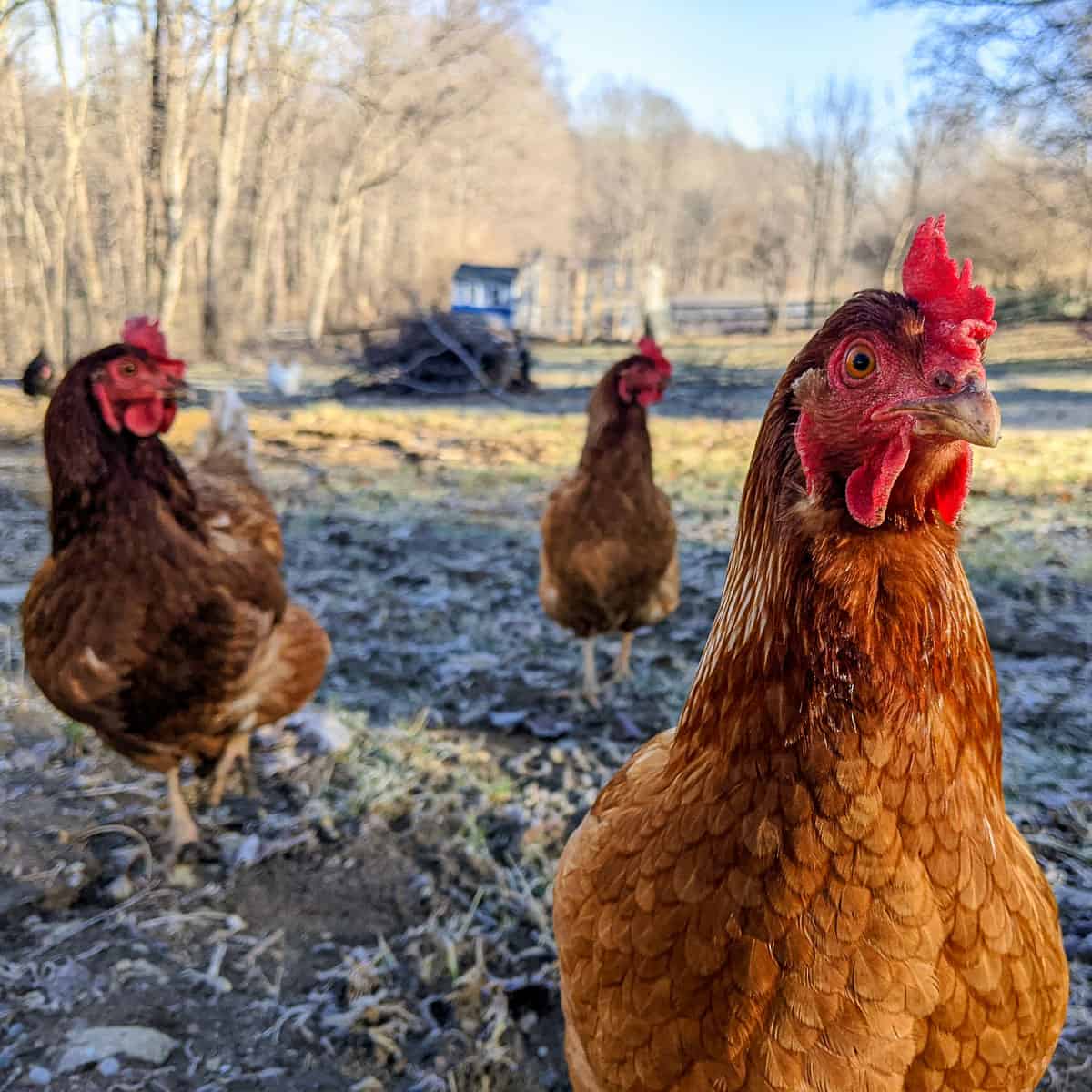
After extensive research, we chose the Golden Comet to form the core of our backyard flock, and after years of keeping them, we fully agree with their reputation! The Golden Comet is a modern production hybrid created by crossing Rhode Island Red and Rhode Island White chickens. While we initially considered standard Rhode Island Reds, the Golden Comet won us over because they are slightly smaller birds. When your primary focus is high egg production rather than meat, a smaller chicken takes up less coop space and consumes less feed, keeping your ongoing flock overhead down.
Our Golden Comets have proven to be incredibly healthy, resilient, and consistently prolific layers. They are hands-down the best egg-laying chickens we have ever owned, and they will always have a permanent place in our flock. They are the perfect choice if you are starting a small backyard flock and want a dependable, high-volume supply of fresh eggs right through the chilly months.
- Cold Hardiness: Excellent. They are specifically bred to withstand harsh winter conditions without dropping in production.
- Breed Type: Hybrid Sex-Link (Rhode Island Red x Rhode Island White).
- Winter Laying Ability & Count: Outstanding. They are exceptional production layers, yielding up to 315 medium-to-large brown eggs per year.
- Flock Temperament: Calm, friendly, and highly efficient foragers.
- Broodiness: Very Low. None of our Golden Comets have ever gone broody, meaning they spend their energy laying eggs rather than sitting on them.
- Anatomical Advantage: Their compact, lightweight body mass helps them stay efficient with feed conversion, using their caloric intake to produce eggs and maintain body heat rather than supporting a massive frame.
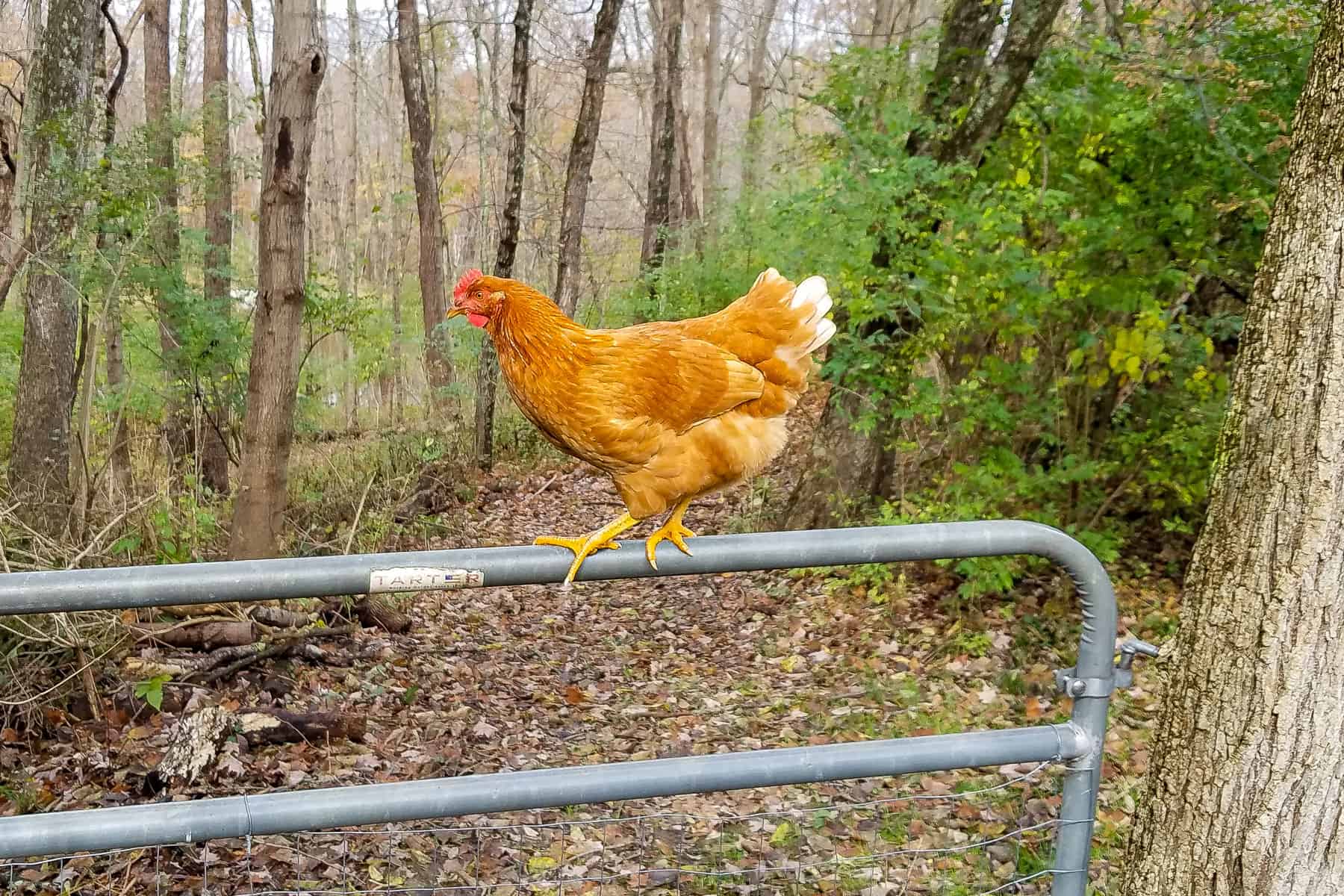
Our Honest Review of Black Australorps for a Winter Flock
The Black Australorp is a classic heritage breed hailing from Australia, widely celebrated for its cold tolerance and historic egg-laying records. Visually, they are stunning birds featuring dense, jet-black plumage that displays a beautiful beetle-green iridescent sheen in the sunlight. While they checked off many of our initial requirements on paper, our first-hand experience with them was unfortunately a mismatch for our specific backyard flock configuration over the long run.
In our coop, the Black Australorps experienced more health vulnerabilities and significantly lower egg production than the breed standard suggests. While this could certainly be attributed to the specific genetics of our particular hatchery line, it was enough for us to phase them out when it came time to rotate and renew our laying hens. Additionally, because they are a large-framed, heavy dual-purpose breed, they naturally consume more feed and require more physical square footage inside the chicken coop and on the roosting bars compared to sleek production hybrids.
- Cold Hardiness: Yes. Their heavy, dense feathering provides excellent natural insulation against sub-zero winter temperatures.
- Breed Type: Heritage Breed (Dual-Purpose).
- Egg Production Potential: Breed standard is up to 250–275 large light-brown eggs per year, though our personal yield was lower due to individual flock health challenges.
- Flock Temperament: Generally sweet, calm, and docile, though their large size can make them dominant over smaller bantam or hybrid breeds.
- Broodiness: Moderate. They possess natural maternal instincts and can occasionally go broody, though it did not present a major management issue for us.
- Anatomical Consideration: Their heavy body mass requires sturdy, wide roosting perches. While their black feathers efficiently absorb solar heat during clear winter days, their large single comb requires monitoring for frostbite during severe, bitter cold snaps.
- Our Recommendation: A personal pass. While they are a great cold-weather heritage staple for many homesteaders, they didn’t meet the high-efficiency standards of our backyard egg production goals.
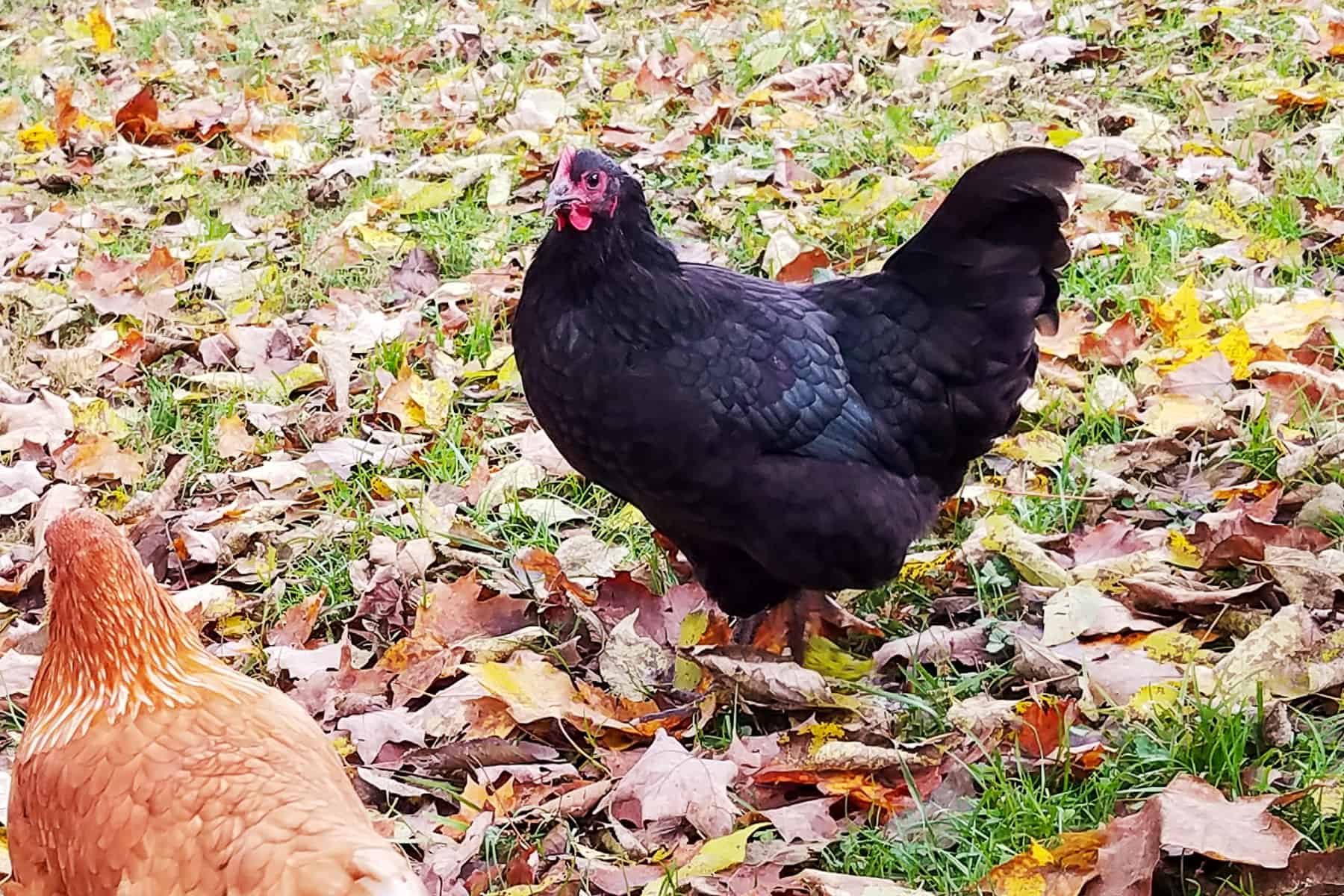
The Truth About Easter Eggers (Ameraucanas) for Winter Coops
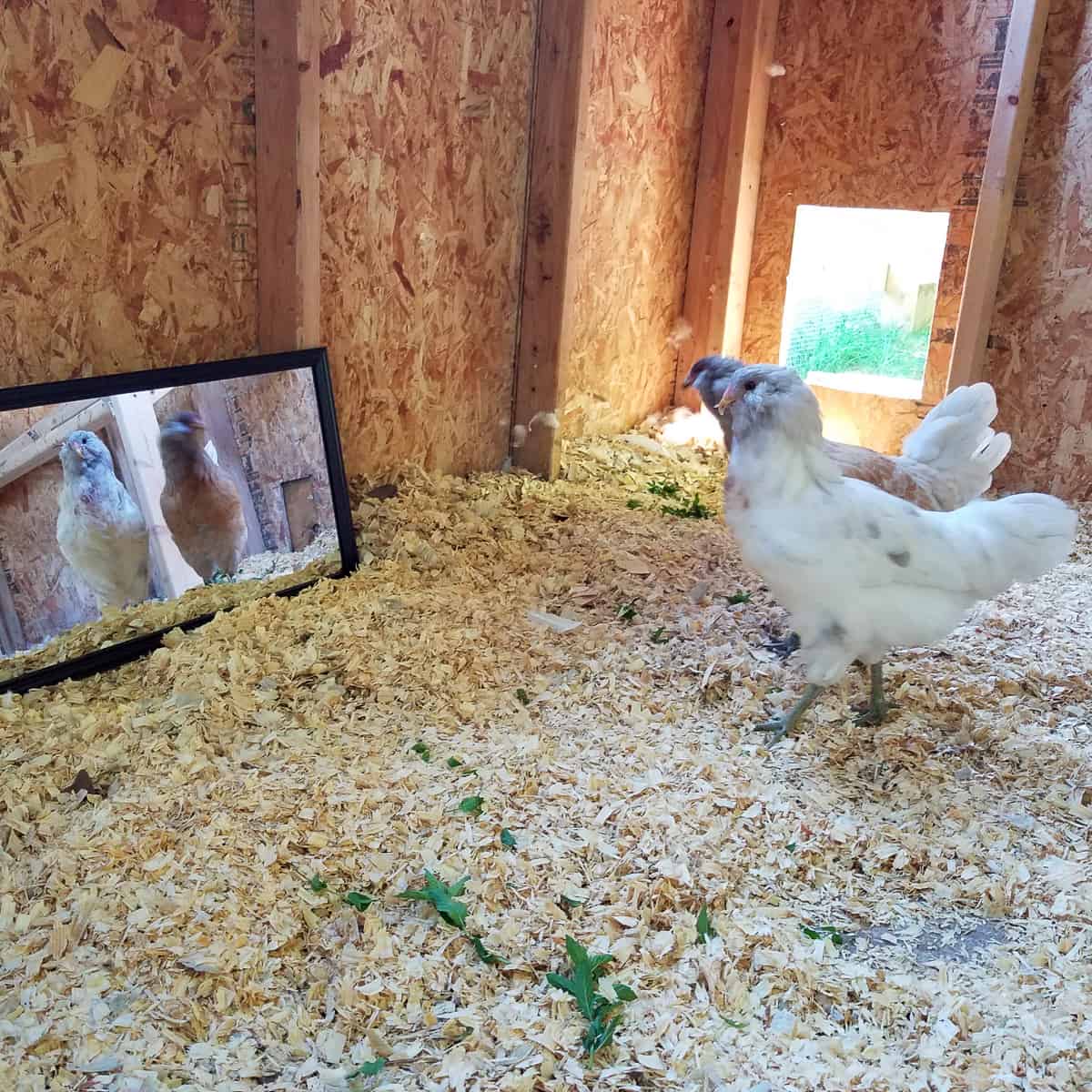
The Easter Egger chickens in our original flock were actually a gift, rather than our intentional choice. In the backyard poultry world, the “Easter Egger” name often carries a bit of a misconception. It is not an officially recognized heritage breed; instead, it is a hybrid mix of pretty much any chicken breed carrying the dominant blue egg gene. Many first-time chicken keepers think they are buying purebred, standardized Ameraucanas, when they are actually purchasing a wonderful, colorful hybrid mix. To understand how these traits are passed down, read our guide on what determines chicken egg colors. Because they aren’t standardized, Easter Egger plumage varies wildly—our girls feature predominantly white feathers with beautiful brown accents, but they can come in almost any color pattern imaginable.
While they are not the absolute top-tier choice if your sole goal is maximum winter egg volume, they bring undeniable fun and variety to the egg basket with their unique shell colors. They are robust, highly adaptable, and their friendly, curious personalities make them an entertaining addition to any backyard flock configuration.
- Cold Hardiness: Yes. They handle freezing winter weather exceptionally well and adapt easily to changing seasonal temperatures.
- Breed Type: Hybrid Mix / Unofficial Variety.
- Egg Production Potential: Moderate. They are not high-volume production layers, yielding a steady 175 to 200 small-to-medium eggs per year.
- Egg Color: Famous for laying beautiful shades of blue or aqua-green.
- Flock Temperament: Delightful, friendly, and highly curious birds that frequently interact with their keepers.
- Broodiness: Low. None of our personal Easter Eggers have ever exhibited broody behavior.
- Anatomical Advantage: Most Easter Eggers inherit a tiny, flat pea comb or cushion comb alongside fluffy facial muffs and beards. This compact head structure offers incredible protection against cold winds, drastically reducing their risk of winter frostbite.
- Our Recommendation: A strong yes if you specifically want colorful blue eggs or desire a flock member with an abundance of unique personality. In fact, one of our all-time favorite hens is our Easter Egger, “Snowball.” She has truly become a beloved family pet and is easily the most adored chicken in our flock. However, if egg color isn’t a priority and you are strictly looking for maximum raw production efficiency, you may want to pass on this hybrid mix.
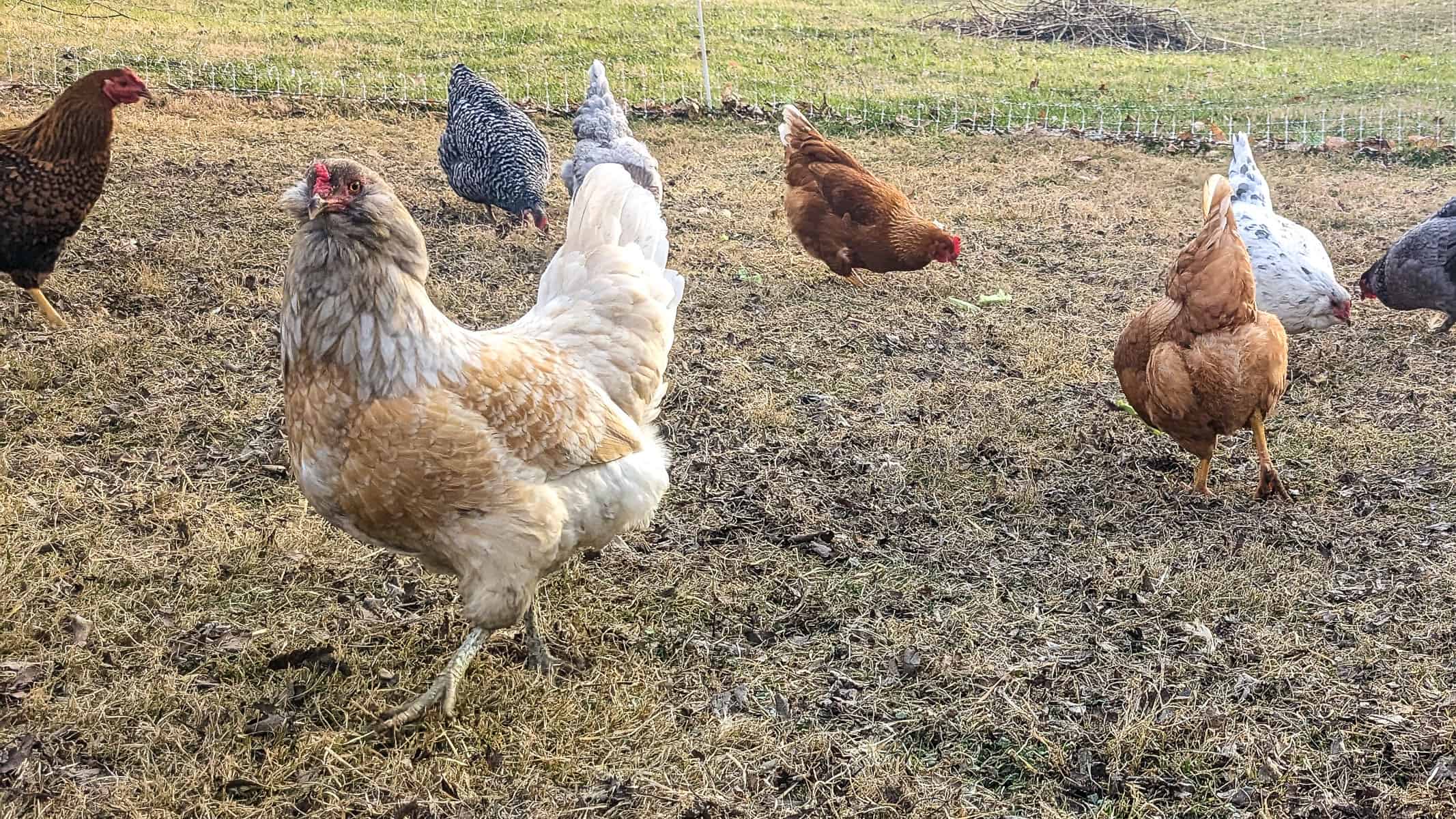

Our Latest Backyard Chicken Flock
Due to predator loss and other random loss over the years we got to a point we needed to add more chickens to our flock to boost our egg production back to where it was. We actually had to buy eggs a couple times, and that was the tipping point! We free range our chickens so predator loss is just a part of life unfortunately.
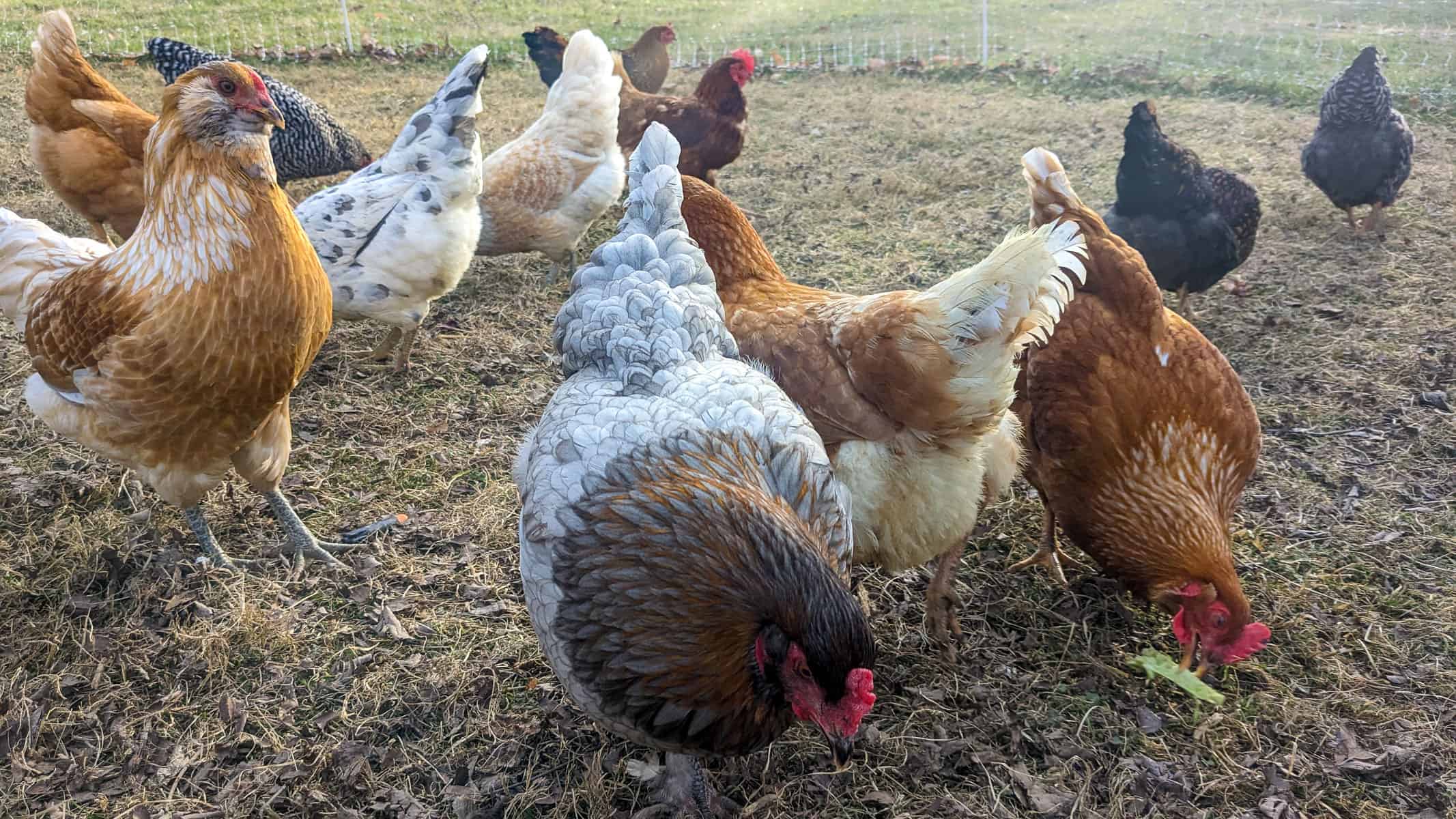
Our skies have lots of hungry hawks that circle the area and red fox that also show up occasionally and do some damage. We are constantly working on our chicken coop security to reduce these losses but unfortunately they are a part of life. This time we wanted to add a little more diversity to our chicken flock, more just to make it a little more interesting than anything. We started researching again to find the best egg layers that would give us a lot of eggs!
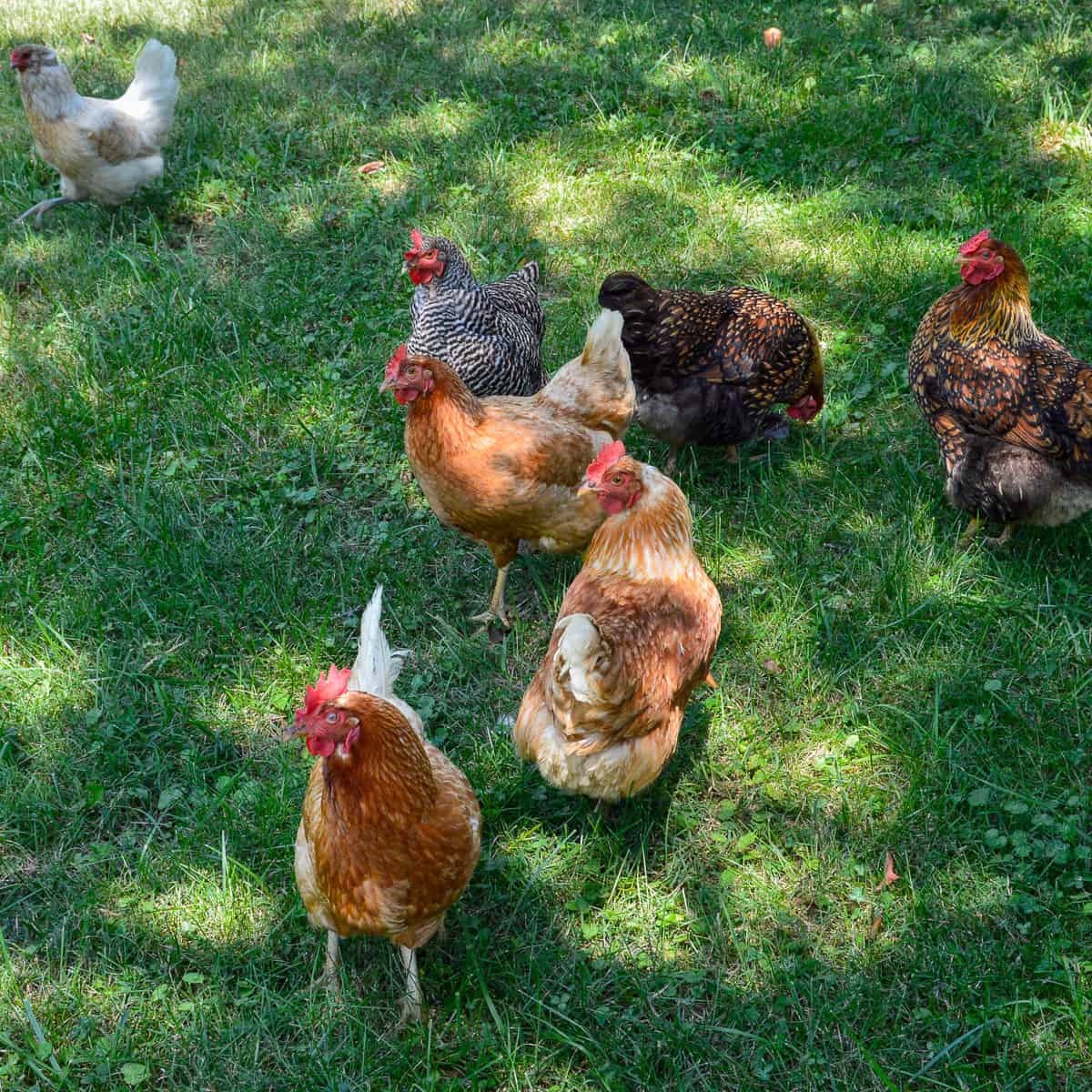
From our previous flock we had three Golden Comets and our original two Easter Eggers remaining. Our chicken coop was getting pretty bare with too much space empty. Here are the chickens we ended up adding to our flock. We get all of our day old chicks from Mt. Healthy Hatcheries. They have always given us great service with no issues at all.
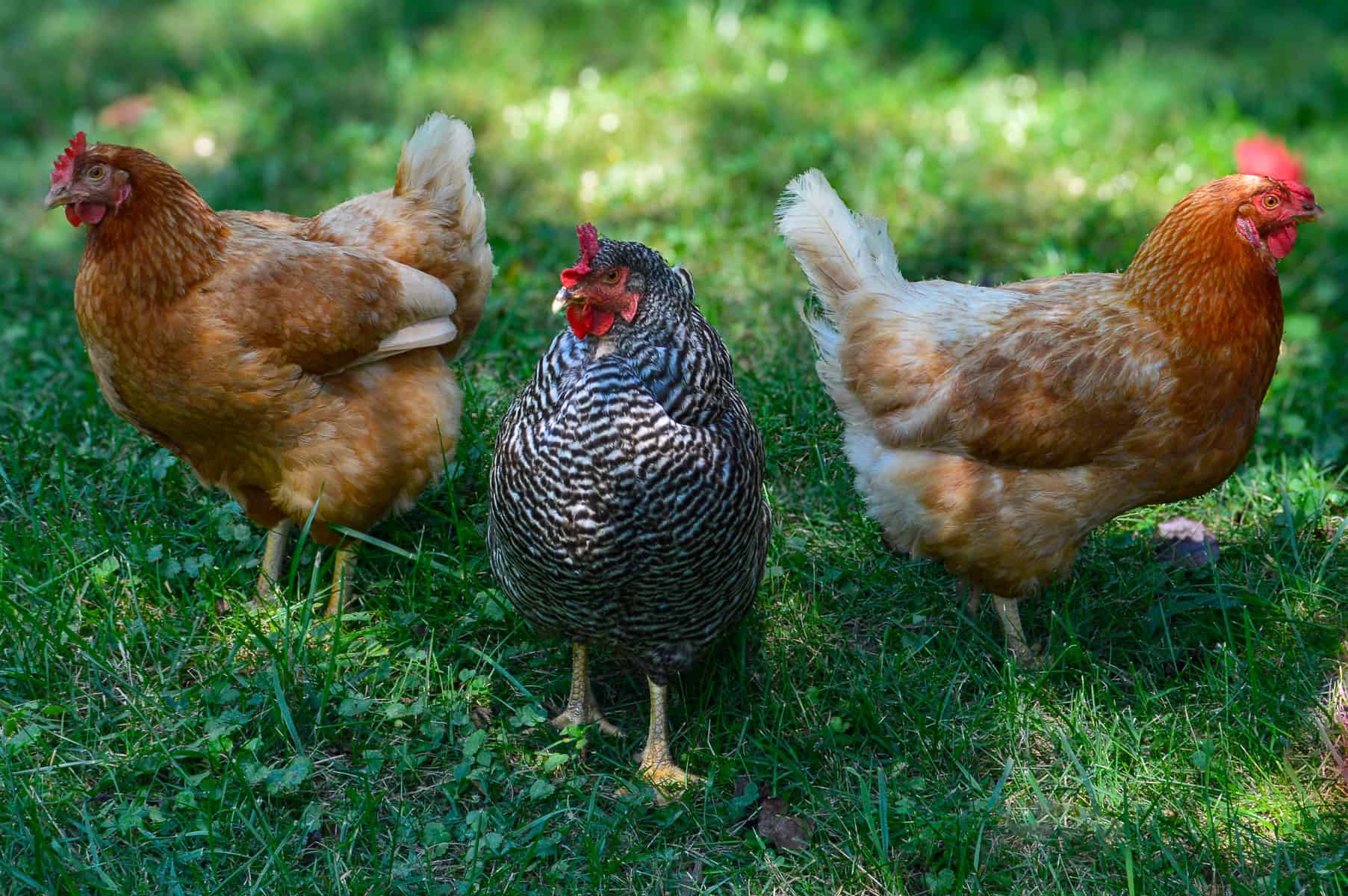
Why Barred Plymouth Rocks Are a Staple for Winter Flocks
Whether you know them as Barred Rocks, Plymouth Barred Rocks, or Barred Plymouth Rocks, these names all point to the exact same legendary, dependable bird. The Barred Rock is a historic, heavy-bodied heritage breed that has been a foundational staple of the American homestead for generations. Featuring a striking “rock-like” appearance with crisp, black-and-white striped plumage, these chickens are incredibly robust, reliable, and perfectly suited to handle harsh northern winters.
In our own experience, we have had absolutely zero health or behavioral issues with our Barred Rocks. They possess an easygoing, steady disposition that makes them a breeze to manage in a mixed flock setting. We highly recommend them as a rock-solid addition to any backyard coop, especially if you want consistent performance without the drama.
- Cold Hardiness: Yes. Their dense feather structure and large body mass provide excellent natural insulation against freezing temperatures.
- Breed Type: Heritage Breed (Dual-Purpose).
- Winter Laying Ability & Count: Highly dependable. They maintain steady production throughout the cold months, yielding an excellent 275 large, medium-brown eggs per year.
- Flock Temperament: Extremely calm, docile, and even-tempered. They get along beautifully with other breeds and handle confinement well.
- Broodiness: Low to Moderate. While heritage Plymouth Rocks possess a natural tendency to go broody, none of our personal birds have exhibited broody behavior yet.
- Anatomical Advantage: While they do possess a medium-sized single comb that requires basic monitoring during extreme sub-zero cold snaps, their massive body frame allows them to conserve core body heat efficiently, keeping their energy focused on egg production rather than just surviving the chill.
- Our Recommendation: A definitive yes! They are a hassle-free, highly productive, and visually beautiful choice to round out your winter flock.
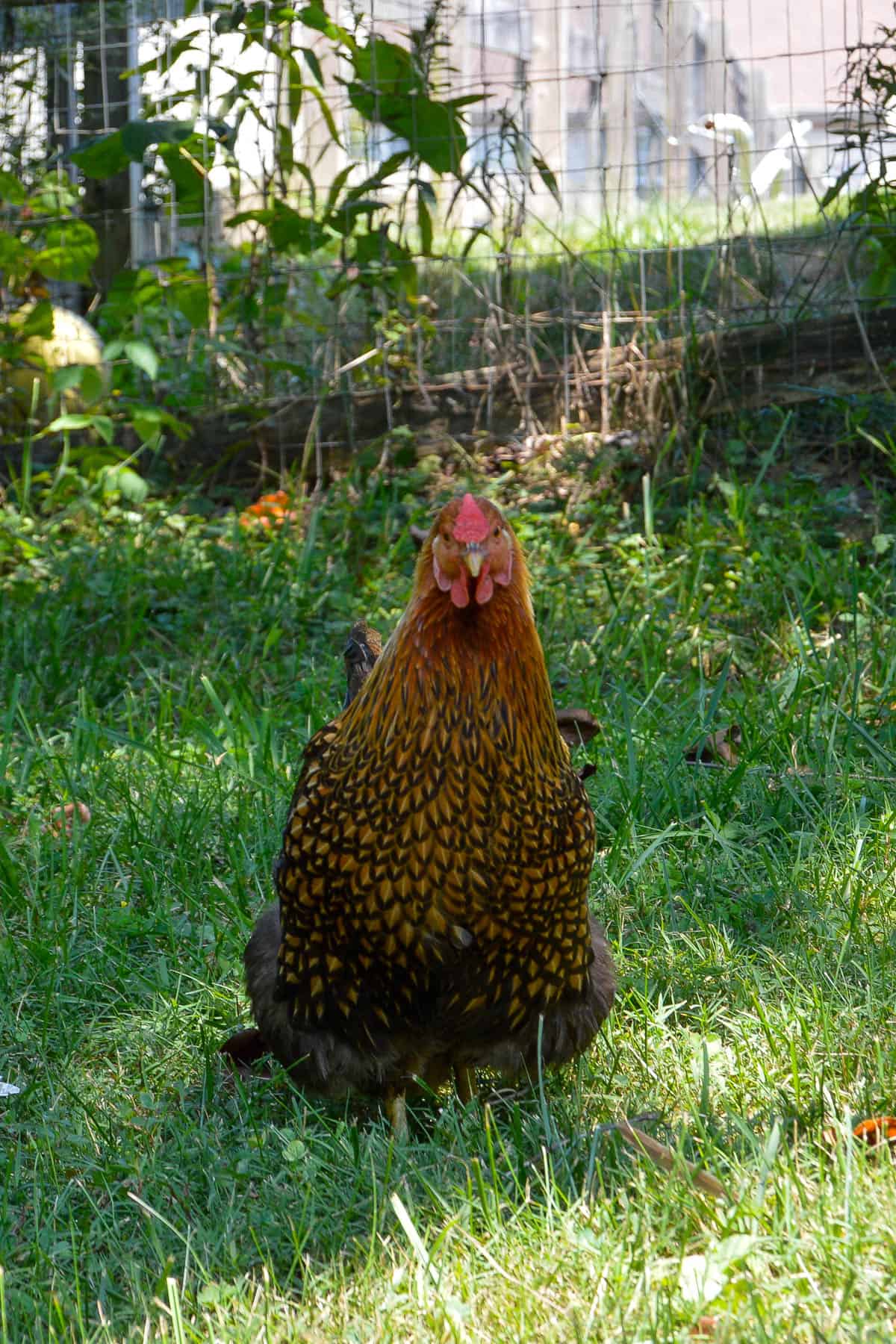
Why Golden Laced Wyandottes Are a Beautiful, Cold-Hardy Addition
The Golden Laced Wyandottes are undeniably stunning birds, and that striking visual appeal is precisely what drew us to them in the first place. Featuring rich, golden-bay feathers crispallly outlined in deep black, they bring incredible beauty to a winter landscape. The Wyandotte is an American heritage breed engineered specifically to stay resilient and steady when the temperature drops. While they are reliable producers, it is worth noting that they are good, steady layers rather than the absolute most prolific egg machines in the poultry world.
In our experience, our Golden Laced Wyandottes have been solid, healthy, and trouble-free birds. They add fantastic visual entertainment to the backyard run and maintain a steady pace through the seasons. If you want a hardy, dependable hen that elevates the look of your entire flock, they are an excellent choice.
- Cold Hardiness: Exceptional. They are built specifically to thrive in bitter, freezing climates without skipping a beat.
- Breed Type: Heritage Breed (Dual-Purpose).
- Winter Laying Ability & Count: Reliable and steady. They yield a solid 200 large, light-brown eggs per year, maintaining their output well into the cooler months.
- Flock Temperament: Independent, calm, and generally reserved. They are confident birds that handle winter confinement well but also love to forage.
- Broodiness: Low to Moderate. Though the breed can occasionally show maternal instincts, we haven’t witnessed any broodiness in our Wyandottes.
- Anatomical Advantage: Wyandottes sport a tight, flat rose comb. Because this comb sits low and close to the skull with very little surface area exposed to the elements, it is virtually immune to frostbite—giving them a massive security advantage over single-combed breeds during extreme cold snaps.
- Our Recommendation: A strong yes! They are a beautiful, robust, and completely winter-ready heritage staple that rounds out a backyard flock beautifully.
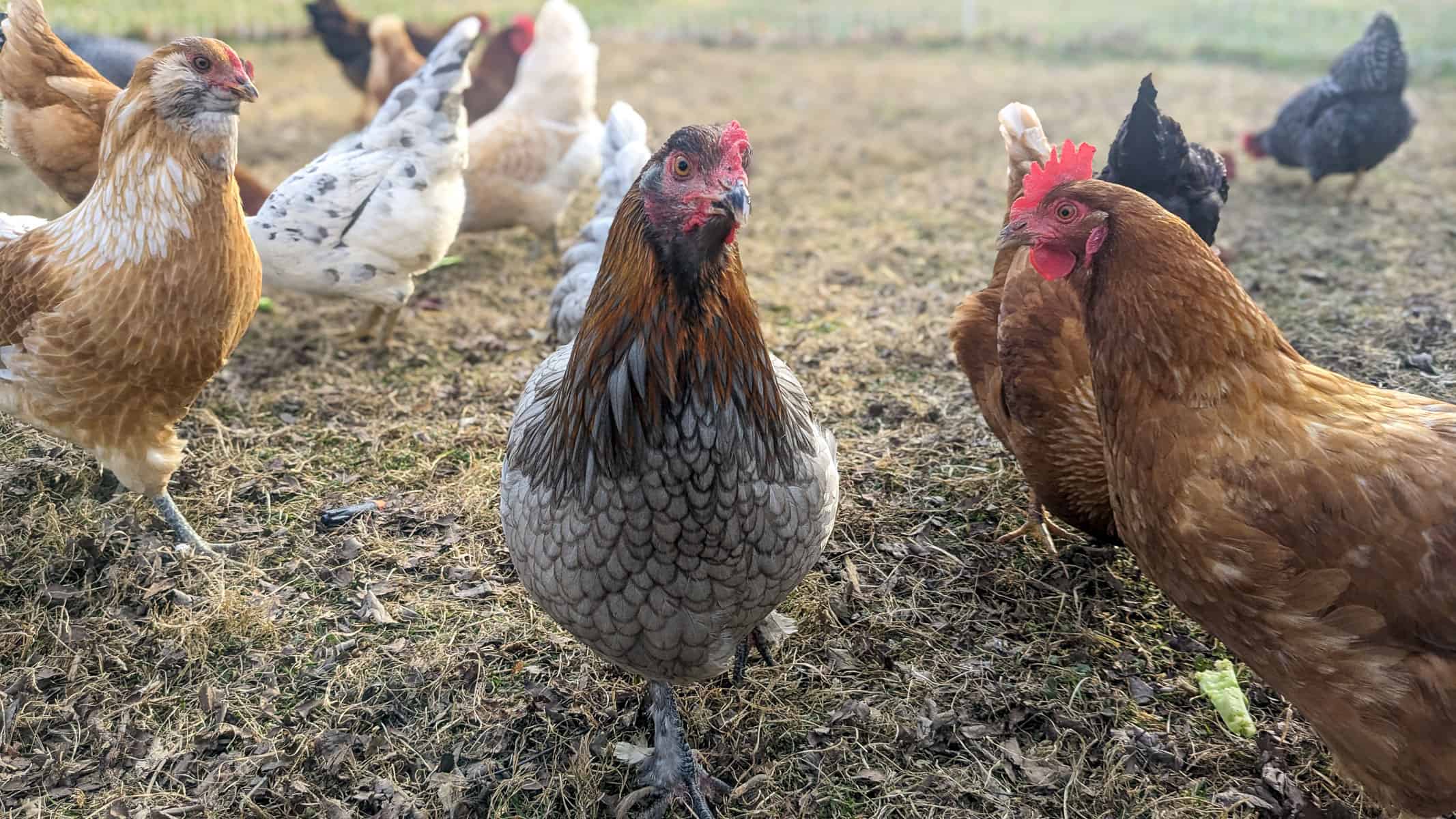
An Honest Look at Olive Eggers for a Backyard Flock
We originally chose the Olive Egger for one reason and one reason only: the chance to add gorgeous, dark green eggs to our basket. Similar to Easter Eggers, Olive Eggers are not a standardized heritage breed. Instead, they are a hybrid creation achieved by crossing a bird with blue-egg genetics (like an Ameraucana) with a bird carrying dark brown-egg genetics (like a Marans). The resulting cross gives you those highly sought-after olive or forest-green shells.
However, despite the unique egg color, we would not choose to add Olive Eggers to our flock again. Because they are an unregulated hybrid mix, it is incredibly difficult to ensure the chicks you buy will consistently meet your performance standards since you rarely know exactly what the parent genetics were. For us, these chickens did not produce well at all, and we faced significant management hurdles—including severe broodiness in one hen. Ultimately, both of our Olive Eggers mysteriously passed away from unknown causes just a month apart. While this may have been an isolated issue with the specific hatchery line we received, we plan to pass on this mix when we replenish our backyard flock.
- Cold Hardiness: Generally yes, though their cold tolerance depends entirely on the parent breeds used in the cross.
- Breed Type: Hybrid Mix / Generational Cross.
- Egg Production Potential: Low to Moderate. They are far from a high-volume production breed, yielding a modest 175 to 200 small-to-medium eggs per year.
- Egg Color: Famous for producing unique shades of olive, sage, or deep khaki green.
- Flock Temperament: Highly variable. They can range from friendly and docile to incredibly timid or flighty, depending on their genetic heritage.
- Broodiness: Unpredictable. One of our Olive Eggers became intensely broody (constantly refusing to leave the nest box), while the other did not, making broodiness a total gamble.
- Our Recommendation: A personal pass. If your absolute top priority is a colorful novelty egg basket and you don’t mind unpredictable production or behavioral traits, they can be a fun addition. However, if you are managing a flock for high efficiency, steady winter laying, and predictable health, we recommend skipping the Olive Egger.
Final Thoughts on Choosing the Best Winter Chicken Breeds
Building a cold-hardy backyard flock is all about balancing your specific goals for egg volume, feed efficiency, and flock personality. While historic heritage favorites like the Barred Plymouth Rock and Golden Laced Wyandotte bring incredible resilience and beauty to a snow-covered run, modern hybrid sex-links like the Golden Comet remain absolute powerhouses for keeping your egg basket full when daylight hours drop.
However, simply choosing the right cold-tolerant chicken breeds is only half the battle. To ensure your hens maintain steady egg-laying consistency and stay completely safe through freezing winter weather, you must support them with a winter-ready coop environment. Here are three essential, actionable practices we recommend implementing before the first freeze hits:
1. Utilize the Deep Litter Method
Instead of completely cleaning out your coop bedding every week during the winter, utilize the Deep Litter Method. Start with a thick layer of high-quality pine shavings or straw and continually layer fresh bedding over the flock’s waste. As the organic material breaks down over the winter months, it creates a safe, natural composting process right on the coop floor. This decomposition generates passive, ambient heat that helps keep the coop noticeably warmer without the safety hazards of electrical space heaters.
2. Prioritize Ventilation Over Insulation
The single biggest mistake backyard chicken keepers make is tightly sealing up their coops to trap heat. High humidity is a far greater threat to chickens than cold temperatures. When chickens breathe and poop overnight, they release massive amounts of moisture into the air. If that moisture cannot escape, it settles on the birds’ combs and wattles, leading directly to severe frostbite. Ensure your coop features open, draft-free ventilation vents located high above the roosting bars. This allows warm, damp air to escape cleanly while keeping the frosty breeze off your sleeping birds.
3. Guarantee a Reliable Source of Fresh, Unfrozen Water
A chicken cannot digest food, generate body heat, or produce eggs without drinking a significant amount of water daily. If their water source freezes over for even a few hours, egg production will immediately stall out for days. Save yourself the freezing trek of changing frozen waterers multiple times a day by investing in a reliable heated waterer base or a heavy-duty heated poultry fountain. Keeping clean, liquid water available at all times is the ultimate secret weapon for sustaining high egg yields right through sub-zero winter cold snaps.
By pairing the right cold-hardy breeds with a smart, well-ventilated coop setup, you can enjoy fresh eggs all winter long. Of course, a winter-ready coop must also be a safe one, so make sure you know how to protect your chickens from predators before the freezing weather sets in.
I love your story about being a newbie to the project. I am also a newbie trying to experiment in poultry project. And honestly how you present your information is very simple, once more I loved it. Selection of the breed might be hard and also how to take care of the breed we take. Anyway, research might be the only solution followed by practice. Thanks
Seneka Kevau
Papua New Guinea
Thank you for the comment, Seneka. I wish you the best in your poultry venture. Chickens are fun animals to care for.
Very interesting and informative chicken talk. Love your photos of your girls! Thanks for sharing.
Thank you! I have great models…😉 Happy New Year!