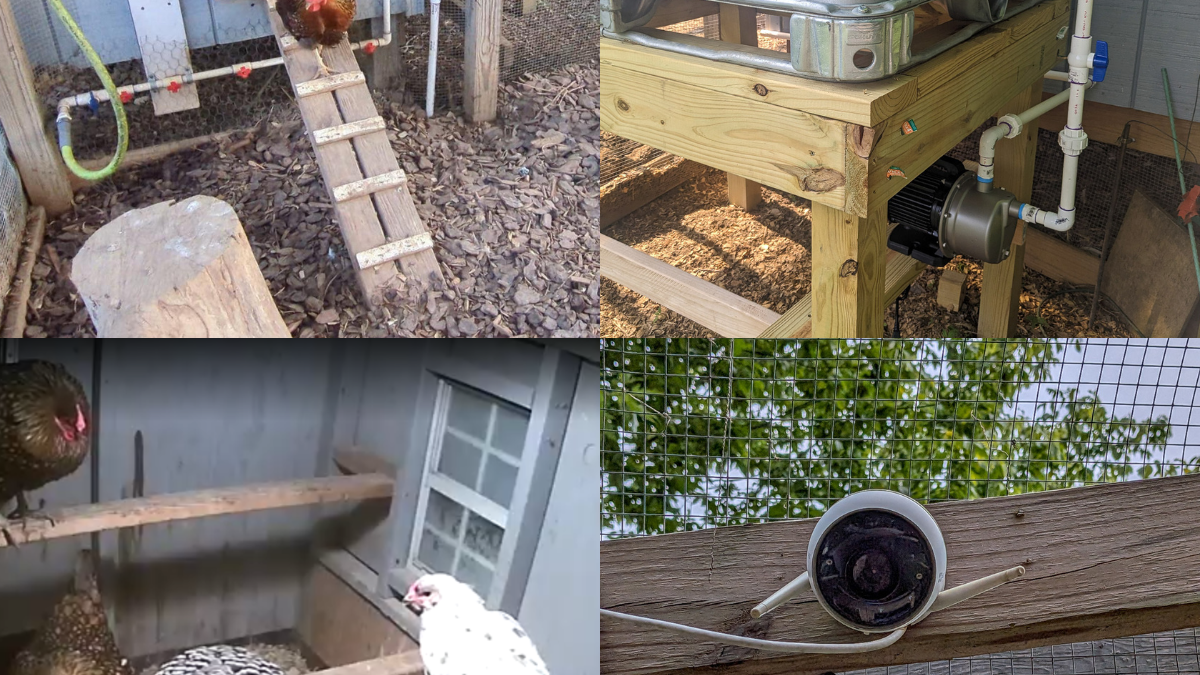

Raising backyard chickens is one of those joys that keeps on giving—fresh eggs, quirky personalities, and a connection to the land that feels grounding. But let’s be real: keeping a coop running smoothly can be a lot of work. Between early morning door openings, predator worries, and making sure your feathered friends are comfy in all seasons, there’s always room to streamline things. That’s where this Chicken Coop Upgrades to Simplify Your Life comes in.
Over the past year few years we’ve been tinkering with some coop upgrades that have made life easier for us as “chicken tenders.” Our coop isn’t fancy—it’s basic but sturdy, with upgrades that make it shine.
I’m sharing our favorite additions—like automatic doors, cameras, temperature sensors, and a few other goodies—that have turned our basic coop into a high-tech hen haven without losing that down-home chicken charm.

Automatic Chicken Coop Door: Our #1 Game-Changing Upgrade
If you’ve ever grumbled about trudging out in the rain at dawn to open the coop or worried about getting home before dark to lock it up, an automatic chicken coop door is about to become your new best friend. We installed one a few years ago once we built our current coop. It was actually our very first coop upgrade, and it’s been a total game-changer. These doors work on a timer or light sensor, opening at sunrise and closing after sunset once your chickens are safely inside. No more racing home to beat dusk or setting an alarm to let the girls in or out. Check out our post on Automatic coop doors, pros and cons.
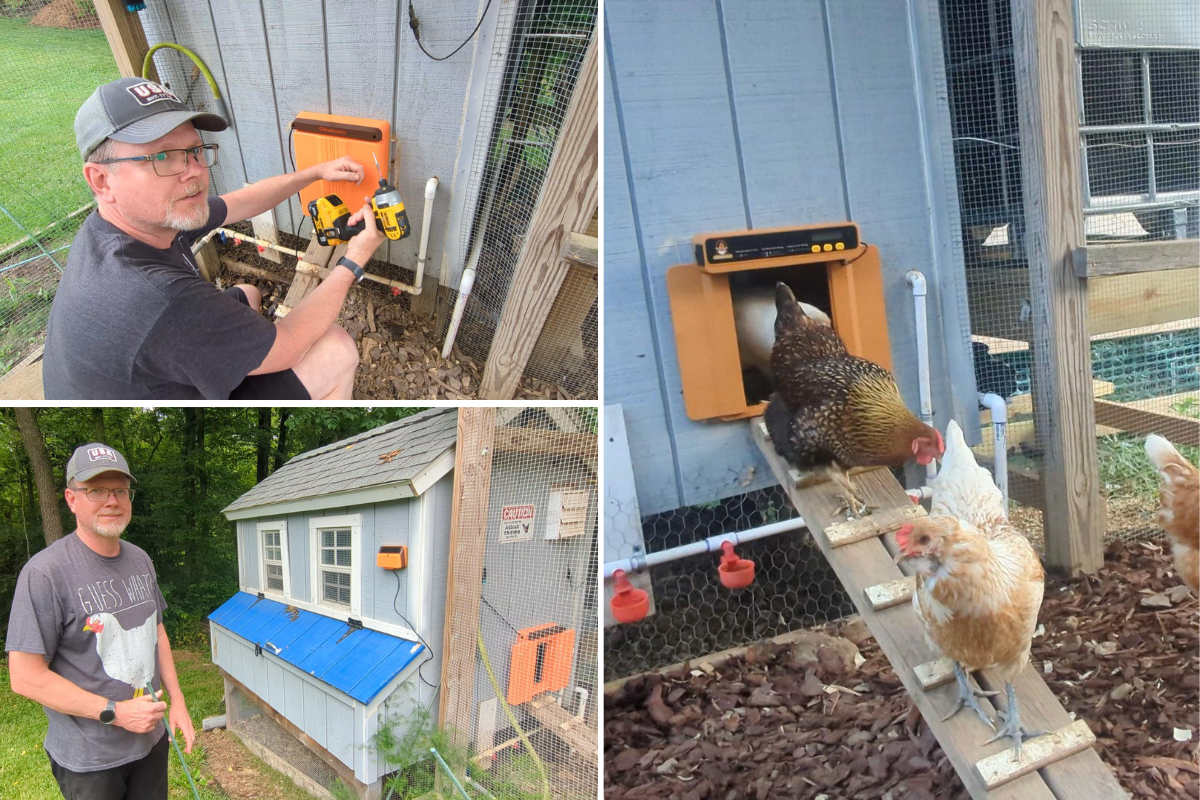
We went with a model that’s solar-powered from Chickcozy, which fits the sustainable vibe we’re all about at Whole Made Living. It’s slides shut tight, keeping out sneaky predators like coons or foxes. The first week, we were checking on it constantly to make sure it worked, but it’s been flawless. We now use the light sensor and have it set to open at sunrise and close at sunset. You can adjust the light percentage as well. We just love it! Click on this link or use promo code WMLCHICK for a 5% discount on this door we love!
Keeping an Eye on Things: Coop Cameras
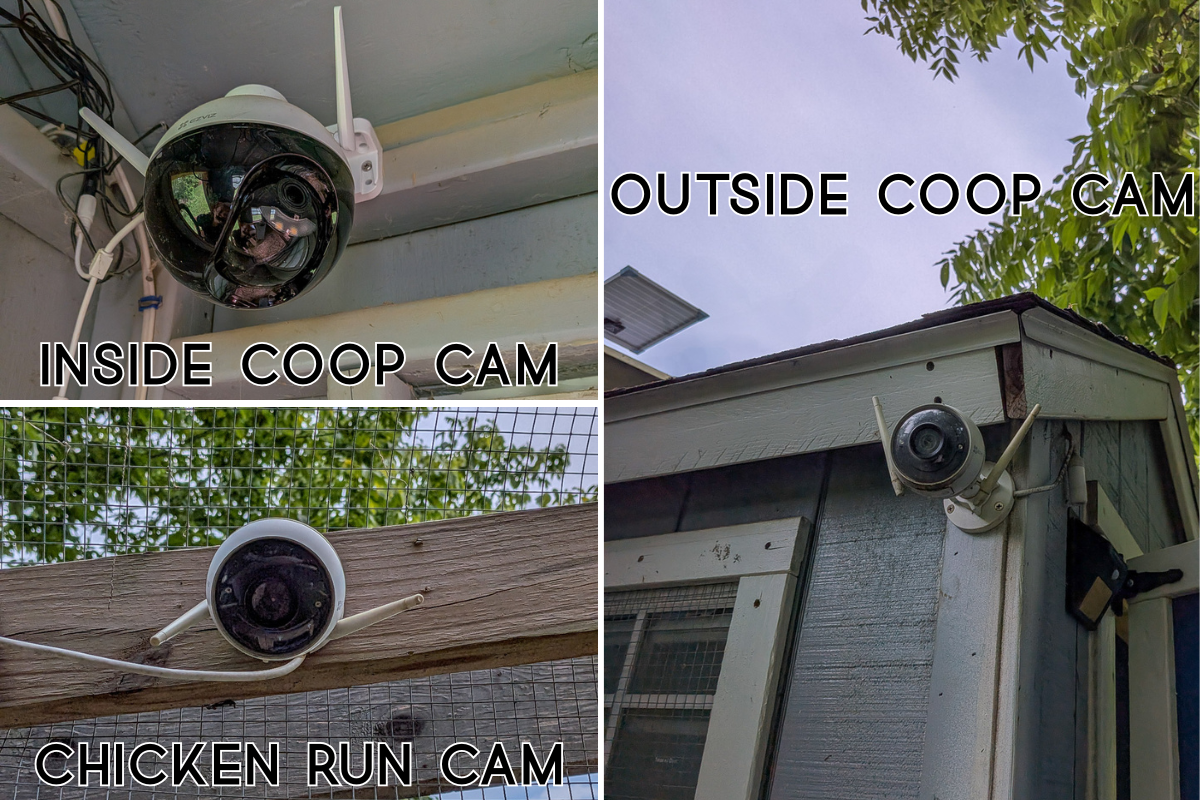
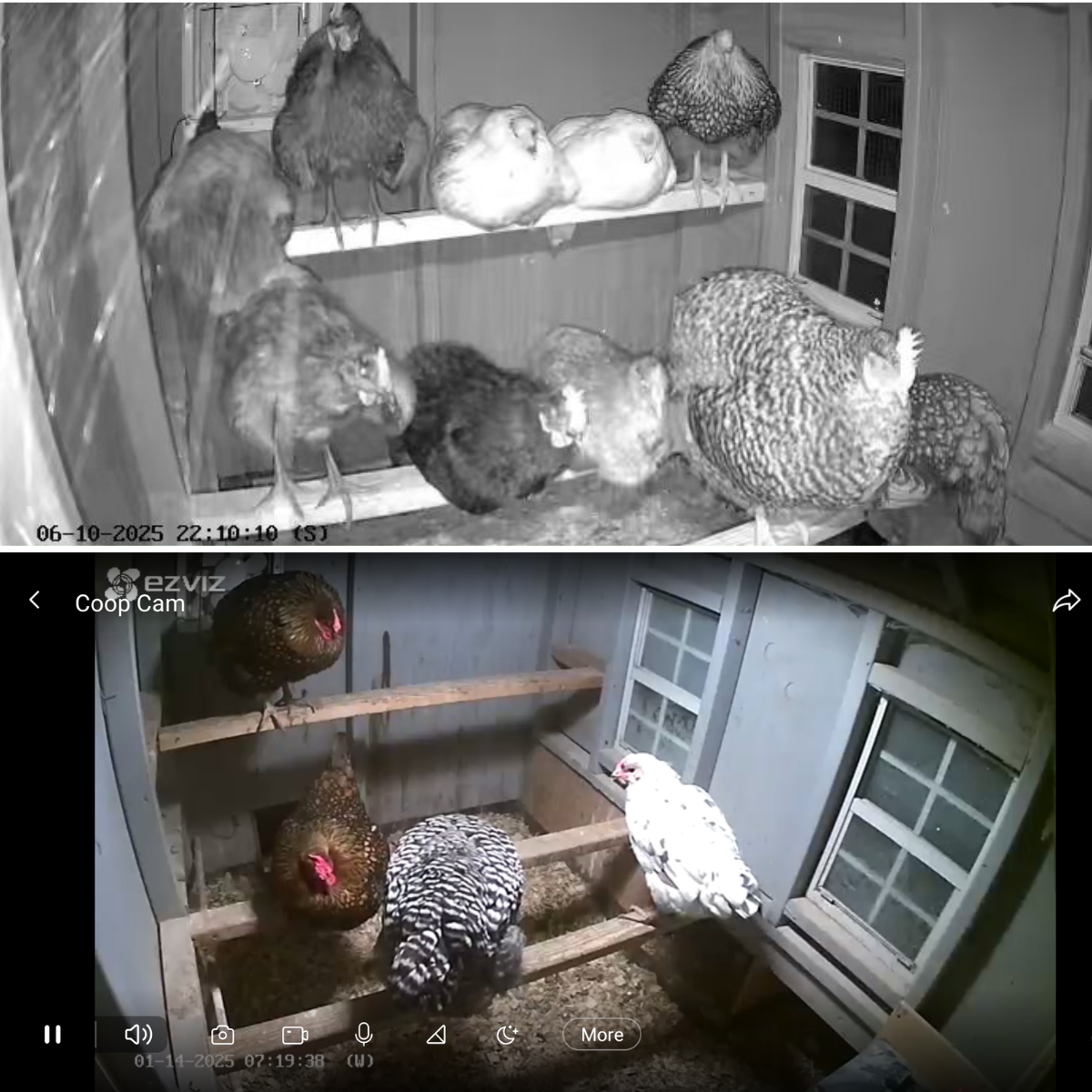
Predators, escape artists, or just plain chicken drama make us want to know what’s going on in the coop when we’re not there. Enter coop cameras. We added a couple of weatherproof, Wi-Fi-enabled cameras to our setup, and they’ve been worth every penny. One is mounted inside the coop to monitor nesting boxes and roosts, and the other cameras are outside to keep tabs on the run and part of the free ranging area inside the electric fence area.
These cameras connect to apps on our phones, so we can check in at any point to see where the chickens are; especially at night when the door closes. The night vision is a lifesaver and we count our chickens every night to make sure they’re all inside the coop safe and sound after the automatic door closes.
Autofeeders & Waterers
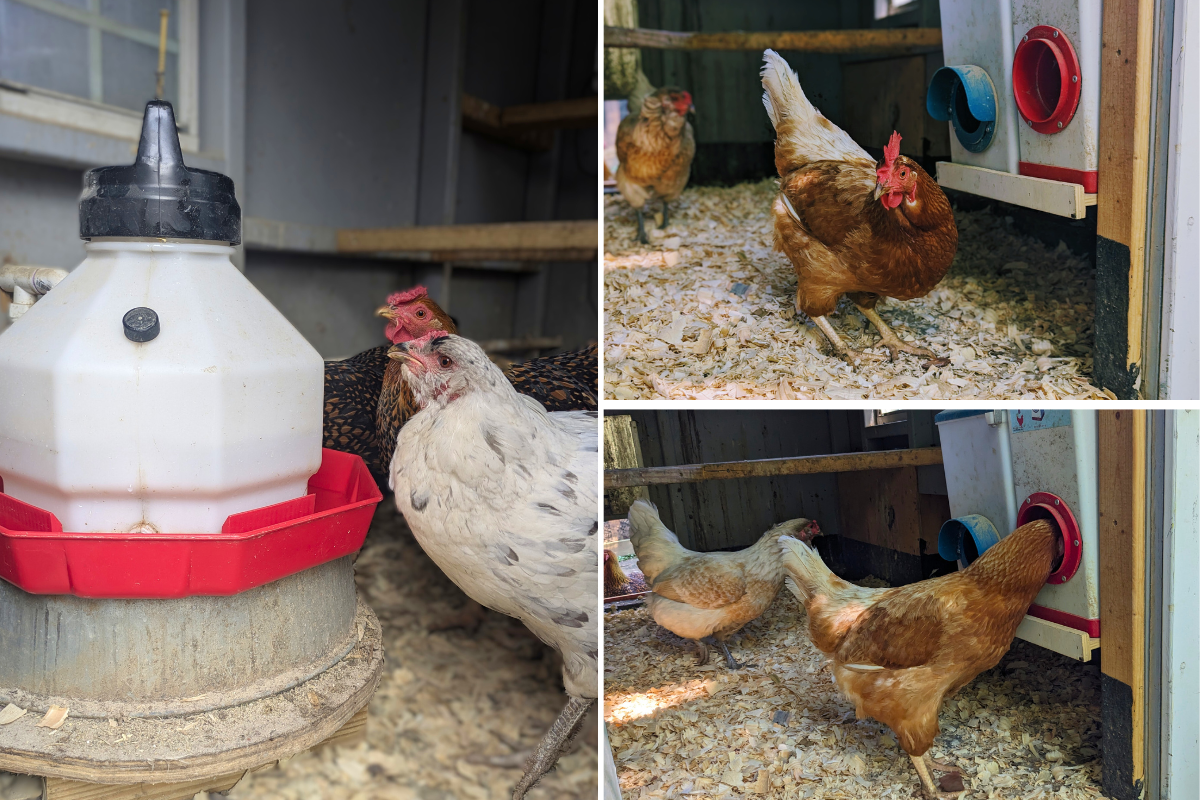
Everyone has their own way to take care of their flock, we like to automate as much as we can so that no-one goes hungry or thirsty. An upgrade we did a couple years ago was to their waterer system. We added a 250 gallon IBC tote that we plumbed into their chicken run and coop to provide water. We plan on adding a rain catchment in the near future to keep it constantly full but haven’t gotten around to that yet.
In the winter, we have to detach and empty the tank and then place a waterer inside the coop over a Waterer Heater. It’s a heated base for the waterer keeps the water from freezing. No more chipping ice at 7 a.m, until the power goes out…😂
For our autofeed system, we just use a couple port chicken feeders inside our coop.
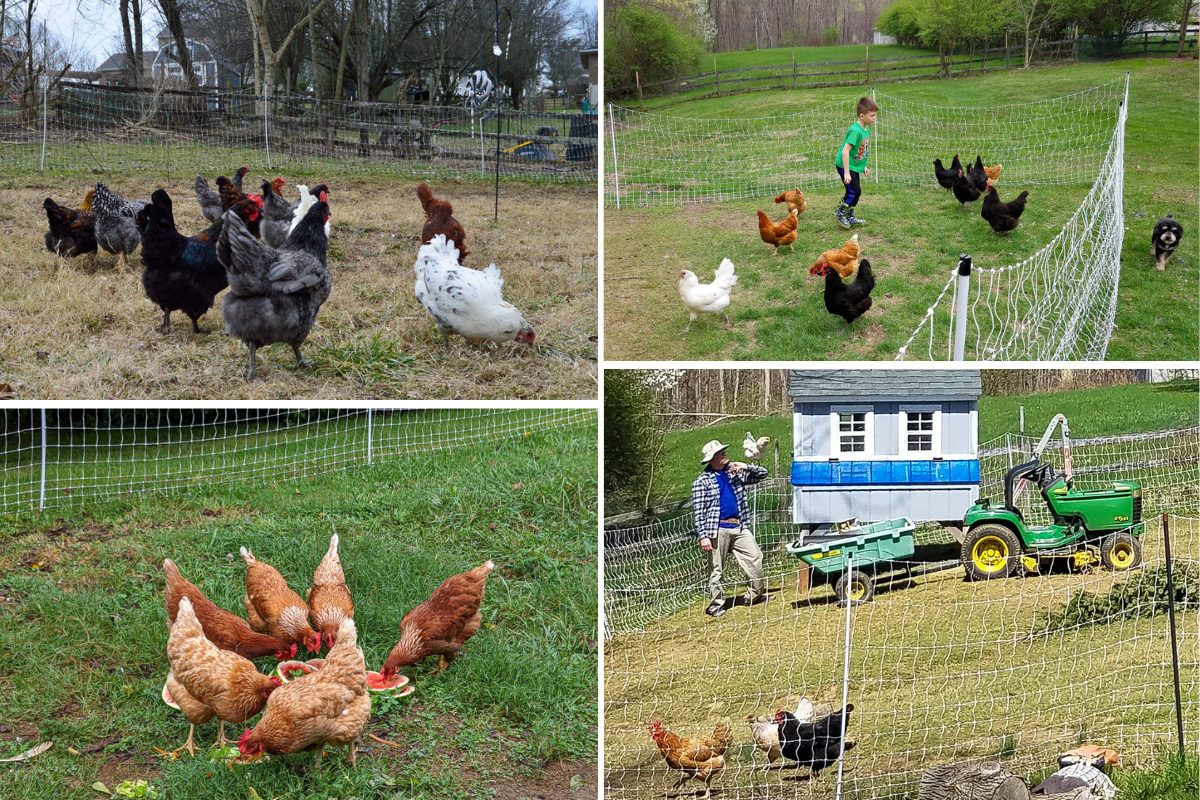
Electric Poultry Fencing for Safe Free-Range Chicken Keeping
We love this electric fence from Premier 1. The beauty of it is that you can move it around the yard wherever you need it to be. You can also get one of their gates so you have easy access into their free range fenced area. We have about 268 ft of fencing now for our chickens and our bees are inside that area as well.
Temperature Sensors
Chickens are tougher than they look, but extreme heat or cold can stress them out, affecting egg production and overall health. Last summer’s heatwave had us worried about our flock, so I added a temperature sensor to the coop. It’s a small device that tracks temperature and humidity, sending alerts to my phone if things get too toasty or chilly.
The sensor helped me realize our coop needed better ventilation during hot spells. We added a solar-powered fan, which kicks on when the temperature hits 80°F. In winter, the sensor lets me know when it’s time to toss in extra bedding or turn on a heat bulb just for a few hours for those sub-zero days. We do not heat the coop at all though as we fear that causes bigger problems. Chickens have been living in coops for decades without any source of heat, so for the most part they are very resilient. We have never lost one to this day due to the cold.
Other Upgrades Worth Considering
Beyond the big three—automatic door, cameras, and electric fencing—There are some other tweaks can up your coop game:
- Solar Lighting: A soft LED light inside the coop, powered by a small solar panel, gives you a subtle light to extend laying season by mimicking longer daylight hours in winter.
- Solar Outdoor Motion sensor light: This will help you when you have to check on your chickens in the dark and it’ll deter predators as well.
Why These Upgrades Matter
These upgrades aren’t just about convenience (though that’s a huge perk). They’re about giving your chickens a safer, healthier home while saving you time and worry. Predators are less likely to get in with a secure automatic door. Electric fencing keeps them from running off into the neighbors’ yards as much. Cameras let you spot issues before they become problems. Temperature sensors ensure your flock isn’t suffering in silence. Together, they create a setup that’s low-maintenance without skimping on care.
Coop Upgrades Comparison Chart
| Upgrade | Approx. Cost | Installation Effort | Key Benefit |
|---|---|---|---|
| Automatic Door | $100–$300 | Easy | Saves time, enhances security |
| Coop Cameras | $50–$150 | Easy | Remote monitoring, peace of mind |
| Electric Fencing | $200–$500 | Moderate | Flexible free-range safety |
| Temperature Sensor | $20–$80 | Easy | Prevents heat/cold stress |
| Lighting (Solar or electrical) | $30–$100 | Moderate | Extends laying season, light for coop work |
If you’re thinking about upgrading your coop, start with one change at a time and go from there. We began with electric fencing after chasing chickens in our neighbors yards quite a bit. Then we got our 1st automatic door and got hooked on how much easier it made things. Now, we’re eyeing our next project—most likely finishing the rain catchment we’ve put off for a while. Whatever you choose, these upgrades bring a little modern magic to the timeless joy of keeping chickens. Your hens will thank you (probably with extra eggs), and you’ll wonder how you ever managed without these fabulous upgrades.
Electric Fencing Estimate
| Flock Size | Recommended Footage | Approximate Area |
| 4-8 chickens | 164 feet | 1,600 sq ft |
| 8-12 chickens | 164-265 feet | 2,500 sq ft |
| 12-20 chickens | 265-330 feet | 4,000 sq ft |
| 20+ chickens | 330+ feet | 5,000+ sq ft |
Chicken Stress Temperature Thresholds
| Temperature Range | Impact on Flock | Action Needed |
| Below 0°F | Frostbite risk on combs/wattles | Add bedding, check water |
| 32-45°F | Comfortable with adequate shelter | Monitor only |
| 80-90°F | Mild heat stress begins | Ensure ventilation/shade |
| Above 95°F | Severe stress, egg production drops | Add fans, frozen treats |
| Above 105°F | Life-threatening conditions | Emergency cooling required |
Frequently Asked Questions
Most quality automatic chicken coop doors run on battery or solar power systems that operate independently from home electrical systems. Solar-powered models with battery backup can continue functioning for 2-4 weeks without direct sunlight. However, it’s wise to have a manual override mechanism and check your flock during extended outages to ensure the door operates correctly when power is restored.
Standard outdoor security cameras work perfectly for coop monitoring as long as they have an adequate IP rating (IP65 or higher) for weather resistance. The key features to prioritize are night vision capability, weatherproofing, and Wi-Fi connectivity if your coop is within range of your home network. Cameras marketed specifically for coops typically cost more but don’t offer significant advantages over quality outdoor security models.
Chickens learn to avoid electric fencing after one or two brief encounters, which cause temporary discomfort but no harm. To minimize initial shocks, introduce chickens to the fence during daylight when they can see it clearly, and consider placing visual markers (colored tape or flags) on the fence for the first few days. Most chickens respect the boundary after a single experience and rarely touch it again.
Moderate supplemental lighting that extends total light exposure to 14-16 hours daily maintains egg production without significantly impacting hen health or lifespan. This mimics late spring/early summer conditions rather than forcing unnatural overproduction. However, some chicken keepers prefer allowing their flocks a natural winter laying break to rest their reproductive systems, accepting reduced winter egg production as a welfare trade-off.
Standard home Wi-Fi typically reaches 150-300 feet outdoors depending on obstacles, but chicken coops often sit at the edge of or beyond reliable range. Solutions include installing a Wi-Fi range extender halfway between your router and coop, using a dedicated outdoor Wi-Fi access point, or selecting cameras with longer-range connectivity. Some chicken keepers successfully use cellular-connected cameras that bypass Wi-Fi entirely, though these require ongoing data subscriptions.
What’s your favorite coop hack? Drop a comment below and let’s swap ideas for making our flocks’ homes even better!

Comments are welcome & encouraged, however we have the right to refuse to publish it if it is hateful in nature and not constructive criticism. We ask that they be polite & stay on topic as well.